If you store leftovers in plastic, you have probably noticed stains, warping, and a smell that never leaves. Those are signs the plastic is breaking down. Glass food storage containers remove the main risk: chemical migration from the container wall into your food. BPA, phthalates, and PFAS are commonly used in plastics and coatings. The EPA set a 2022 lifetime health advisory of 0.004 parts per trillion for PFOA in drinking water, which shows how little PFAS regulators now consider acceptable. Switching to glass earns a quick win for any non-toxic kitchen, and it links to our broader guide on best non-toxic food storage.
I reviewed common glass container sets with one central rule: the food should touch glass, not plastic. Nearly all lids are plastic or silicone, but if they sit above the glass rim, the direct contact layer is safe. The EWG has flagged BPA and phthalates as endocrine disruptors, which is why glass bases matter. I looked for clear lid materials, leakproof seals, oven and freezer tolerance, and replacement availability. Also considered how to reduce microplastics home which explains why plastic containers shed tiny plastic particles into food over time.
Not all glass is the same. Soda-lime glass is common and affordable, but it can shatter with sudden temperature changes. Borosilicate glass costs more and resists thermal shock better. Lids also matter. Many lids use low-density polyethylene or polypropylene. These are often BPA-free, but that label does not always rule out phthalates or other plasticizers. Because the food contact surface is glass, the risk is lower. But if you microwave with the lid on, steam can condense and drip back onto food. I recommend removing the lid or leaving it loose.
For this comparison, I looked at five sets across different needs: budget, leakproof lunches, meal prep, visibility, and heavy use. Prices change often, so check the table price links. My picks are not ranked by popularity but by material safety first, then function. Glass is heavier than plastic and can break, but it cleans better, lasts longer, and does not retain tomato sauce stains. If you want to check other safe kitchen materials, see our best non-toxic cookware guide.
How Do the Top Options Compare?
| Product | Best For | Glass Type | Leakproof | Price |
|---|---|---|---|---|
| Pyrex Simply Store | Budget sets | Tempered soda-lime | No | Check price on Amazon |
| Glasslock 18-Piece | Leakproof lunches | Tempered soda-lime | Yes | Check price on Amazon |
| Prep Naturals 10-Pack | Meal prep | Borosilicate | No | Check price on Amazon |
| Rubbermaid Brilliance Glass | Clear lids | Tempered soda-lime | Yes | Check price on Amazon |
| OXO Good Grips Smart Seal Glass | Heavy duty | Borosilicate | Yes | Check price on Amazon |
Prices are subject to change. Product links may earn a commission at no extra cost to you.
1. Pyrex Simply Store Glass Food Storage Containers , Budget sets
Pyrex Simply Store is the budget baseline. These are tempered soda-lime glass containers with snap-on plastic lids. The glass comes in round, square, and rectangular shapes, so you can mix sizes. Because the food contact surface is glass, tomato sauce, curry, and grease do not stain. The lids are BPA-free polypropylene, but they are not reliably leakproof. The tradeoff is thermal shock resistance. Pyrex no longer uses borosilicate in US consumer lines, so a container pulled from the freezer and placed into a hot oven can shatter. That is not a defect; it is a material limit. Gradual temperature changes are fine. Microwave and dishwasher safe, but avoid putting the lids in direct heat. For best results, avoid sudden temperature jumps over 100°F. If you freeze soup in Pyrex, leave headspace and thaw overnight in the fridge before reheating. Lids can be replaced individually when the tabs crack. This set is not the lightest option, but it is one of the least expensive ways to eliminate plastic food contact. You can Check the Pyrex Simply Store on Amazon to see current set pricing.
Key strengths:
- ✅ Inexpensive and sold in multi-piece sets
- ✅ Glass bases resist stains, odors, and scratches
- ✅ Replacement lids are easy to find
- ✅ Microwave, freezer, and dishwasher safe
- ❌ Soda-lime glass can shatter with rapid temperature shifts
- ❌ Plastic lids are not reliably leakproof
- ❌ Lids can warp after repeated microwave cycles
Who it’s for: Budget-focused households that want the safety of glass without paying for borosilicate.
2. Glasslock 18-Piece Assorted Oven Safe Container Set , Leakproof lunches
Glasslock uses tempered soda-lime glass and four-sided locking lids with a removable silicone gasket. That gasket makes the containers far better at holding soups, sauces, and dressings than Pyrex. It also protects against fridge leaks that pool on shelves. If you carry lunch in a bag, this is the set that survives the commute. Because the seal is mechanical, not just friction, it stays closed until you release the clips. Glasslock containers are oven safe up to 392°F without the lid, but the lids are plastic and should not go near direct heat. The full set includes multiple square and rectangle sizes. It pairs well with a pfas-free cookware guide kitchen if you are also replacing coated pans. After washing, store containers with the lids off or slightly open to prevent gasket compression. The gasket comes out with a small pull tab. If you pack oily dressings, expect the gasket to hold the seal but require weekly deep cleaning. The glass bases can go under the broiler only if the manufacturer’s temperature range is respected. See the Glasslock 18-Piece on Amazon for current pricing.
Key strengths:
- ✅ Leakproof locking lids with silicone gaskets
- ✅ Oven safe up to 392°F without lids
- ✅ Removable gaskets are easy to deep clean
- ✅ Containers stack for compact storage
- ❌ Plastic lids can absorb strong food odors
- ❌ Heavier than comparable plastic sets
- ❌ Gaskets need regular removal and drying
Who it’s for: Anyone who packs liquid foods or meal preps soups and sauces.
3. Prep Naturals Glass Meal Prep Containers 10-Pack , Meal prep
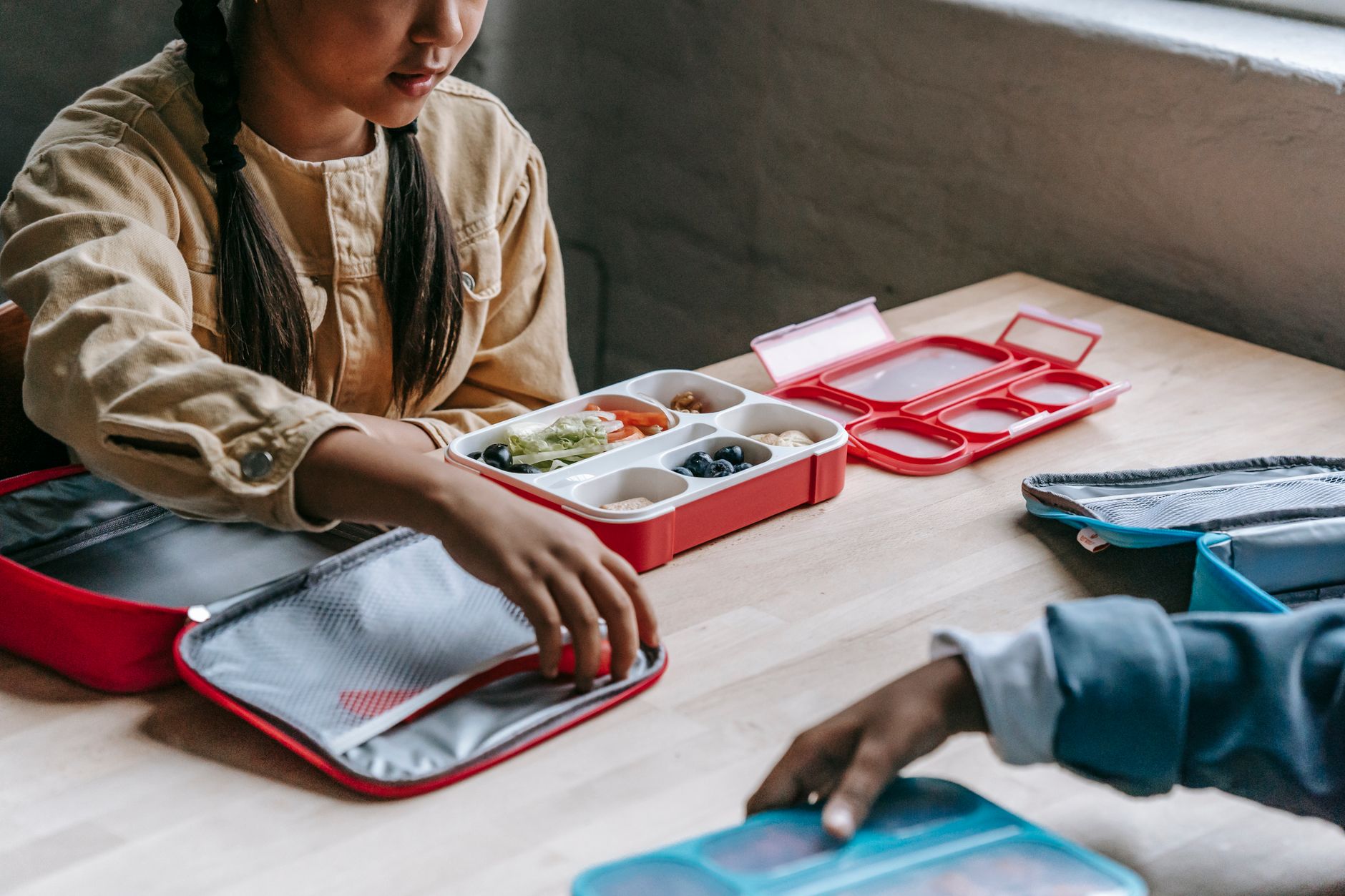
Prep Naturals sells a 10-pack of glass containers with three compartments, sized for adult meal prep. The bases are borosilicate glass, which handles freezer-to-fridge and moderate thermal shifts better than soda-lime glass. The clear snap lids are BPA-free and dishwasher safe on the top rack. Since the food contact layer is glass, reheating in the microwave is straightforward. The three compartments force portion control and keep wet and dry foods separate. That reduces the need for plastic wrap or silicone cups. The lids are not designed for liquids, so soups and dressings can leak if tilted. These containers work best for dry or thick meals like grain bowls, roasted vegetables, and chicken. If you use a dressing, pack it in a separate small glass jar or place it in the smallest compartment. The snap lids can crack if forced onto an overfilled container, so leave a little room before sealing. Get current pricing for the Prep Naturals 10-Pack on Amazon.
Key strengths:
- ✅ Borosilicate glass resists thermal shock better
- ✅ Three compartments keep meal components separate
- ✅ 10-piece set supports weekly meal prep
- ✅ BPA-free snap lids
- ❌ Lids are not leakproof for thin liquids
- ❌ Compartments limit overall capacity
- ❌ Glass bases add significant bag weight
Who it’s for: Meal preppers who want portioned, reheatable lunches.
4. Rubbermaid Brilliance Glass Food Storage Containers , Clear lids
Rubbermaid Brilliance Glass pairs glass bases with crystal-clear Tritan plastic lids. The lids are stain resistant and use a silicone gasket for a leakproof seal. Unlike some opaque lids, these stay transparent after repeated use with turmeric, tomato sauce, and grease. That visibility helps you see what is inside without popping the lid and releasing steam. The lids should not go in the oven or under a broiler, and they can scratch if scrubbed hard. The glass bases are tempered and microwave safe. This set costs more than Pyrex but less than some borosilicate brands. The Brilliance line has a reputation for stacking without sliding because the lid edges align with the base. Use these for leftovers, fruit, and snacks as well as cooked meals. If the silicone gasket develops a stain, remove it and soak in baking soda water. The Tritan lid will not absorb food dyes the way softer plastics do.
Key strengths:
- ✅ Crystal-clear Tritan lids resist stains
- ✅ Leakproof silicone gasket seal
- ✅ Bases stack neatly and lids stay clear
- ✅ Dishwasher safe on all parts
- ❌ Plastic lids are not oven safe
- ❌ Higher price than basic glass sets
- ❌ Tritan lids can scratch over time
Who it’s for: Households that want leakproof storage with visibility.
5. OXO Good Grips Smart Seal Glass Containers , Heavy duty
OXO Smart Seal glass containers use borosilicate glass, so they can go from refrigerator to preheated oven more safely than soda-lime sets. The four locking tabs and removable silicone gasket create a strong seal. These are built for repeated daily use, not occasional leftovers. The glass does not absorb stains, and the lids come apart for thorough cleaning. The downside is weight and cost. A full set of OXO glass containers is heavy in a work bag. The lids also have more parts than simple snap lids, so there is more to clean and reassemble. OXO Smart Seal is overkill for a single lunch, but it pays off if you batch cook and freeze. The lids withstand top-rack dishwashing, and the glass bases tolerate oven temperatures up to 400°F. Avoid placing a hot glass base directly on a cold stone countertop. A towel or trivet prevents stress cracks. If you are also filtering PFAS from your water, see best water filters pfas removal for kitchen-wide changes.
Key strengths:
- ✅ Borosilicate glass handles higher oven heat
- ✅ Leakproof and secure four-tab lids
- ✅ Lids disassemble for easy cleaning
- ✅ Stain and odor resistant bases
- ❌ Expensive compared to other glass sets
- ❌ Heavy and bulky for commuting
- ❌ Lids have multiple parts to clean and store
Who it’s for: High-use kitchens that can justify the cost and weight.
Frequently Asked Questions
Are glass food storage containers completely non-toxic?
Glass itself is inert and does not leach BPA, phthalates, or PFAS. The main concern is plastic or silicone lids. The food contact surface is glass, so it is the safest practical choice.
Can I put glass containers straight from the freezer into the oven?
Only borosilicate glass is designed for large thermal shocks, and even then check the manufacturer’s limit. Soda-lime glass can shatter if moved from freezer to a hot oven. Let it sit at room temperature first.
Are glass container lids BPA-free?
Many are, but BPA-free is not the whole story. Phthalates and other plasticizers can also be used. Choose lids with removable silicone gaskets and avoid microwaving with the lid on.
How do I remove odors from plastic lids?
Soak lids in a mixture of warm water and baking soda, then air dry in sun if possible. Silicone gaskets can be removed and washed separately. Persistent odors do not mean the glass base is unsafe.
Does borosilicate glass cost more?
Yes. Borosilicate resists thermal shock better, but it is often pricier. For everyday leftovers, tempered soda-lime glass is fine if you avoid sudden temperature changes.
Is glass food storage safer than plastic for acidic foods?
Yes. Acidic foods like tomato sauce can accelerate leaching from plastic. Glass will not react with acids, so it is the safer container for long storage of acidic or oily meals.
What Should You Remember?
- Glass bases are inert and avoid BPA, phthalate, and PFAS contact with food.
- Soda-lime vs borosilicate matters most for freezer-to-oven use.
- Plastic lids should never be microwaved or oven heated.
- Leakproof seals use silicone gaskets, but they need regular cleaning.
- EPA health advisories for PFAS in drinking water show why reducing plastic contact matters.
- Meal prep containers with compartments keep wet and dry foods separate.
This article is for general information only and is not medical, legal, or regulatory advice. Chemical-safety claims and product choices should be verified against current scientific research and the guidance of relevant agencies (EPA, FDA, EWG, CDC). Always follow manufacturer instructions and consult a qualified professional for health or exposure concerns.