Slow cookers are supposed to make dinner easier. You dump in ingredients, set the dial, and come home to a finished meal. But the insert in most slow cookers is coated with something. Sometimes it is stoneware glaze. Sometimes it is a non-stick layer. That layer can contain PTFE, a fluoropolymer in the same chemical family as PFAS. GreenPan changed the equation by using a ceramic coating called Thermolon. It contains no PFAS, no PFOA, no lead, and no cadmium. That makes the GreenPan slow cooker one of the few dedicated slow cookers with a genuinely non-toxic non-stick surface. Before you buy any pot, check our best non-toxic cookware guide for the full list of safer materials.
PFAS are a class of thousands of chemicals used to make stain-resistant, grease-resistant, and non-stick products. They do not break down easily in the body or the environment. The EPA has set a health advisory for PFOA and PFOS in drinking water at 4 parts per trillion. That is equivalent to four drops in an Olympic-sized swimming pool. While cookware is a smaller exposure source than drinking water, it is one you can control. Choosing a pot without a fluoropolymer coating reduces one route of exposure. Our PFAS-free cookware guide breaks down which brands use which coatings.
Not all ceramic coatings are equal. Some brands use the word ceramic to describe a sol-gel coating that still contains PTFE or other fluorinated additives. GreenPan’s Thermolon is a sol-gel, but the company states it is free of PFAS. That distinction matters. A 2022 study in Environmental Science & Technology found that some ceramic non-stick pans released PFAS when heated above 400 degrees Fahrenheit. Slow cookers rarely reach that temperature, but the finding shows why labels matter. For a deeper dive, read our PFAS in cookware explainer.
This comparison covers five slow cooker options. We looked at the cooking surface material, the presence of PFAS or heavy metals, the size, the controls, and the warranty. We also considered real-world complaints about staining, chipping, and uneven heating. No slow cooker is perfect. The GreenPan is the best dedicated non-stick model. The Instant Pot is the best coating-free multi-cooker. The VitaClay is the best for purists. The Crock-Pot is the best budget pick if you verify the glaze. The GreenLife is the best value ceramic. Use the table below to compare, then read the detailed sections for each.
How Do the Top Options Compare?
| Model | Best For | Cooking Surface | PFAS-Free? | Check Price |
|---|---|---|---|---|
| GreenPan Slow Cooker | Best ceramic non-stick | Ceramic (Thermolon) | Yes | Check price |
| Instant Pot Duo 7-in-1 | Best stainless steel | 304 stainless steel | Yes | Check price |
| VitaClay VM7900 | Best unglazed clay | Unglazed clay | Yes | Check price |
| Crock-Pot 6-Quart | Best budget stoneware | Glazed stoneware | Varies | Check price |
| GreenLife Slow Cooker | Best value ceramic | Ceramic non-stick | Yes | Check price |
Prices change frequently, so we do not list dollar amounts. Check each link for current pricing. This table is for comparison only and not a substitute for reading the manufacturer’s safety data.
1. GreenPan Slow Cooker , Best ceramic non-stick
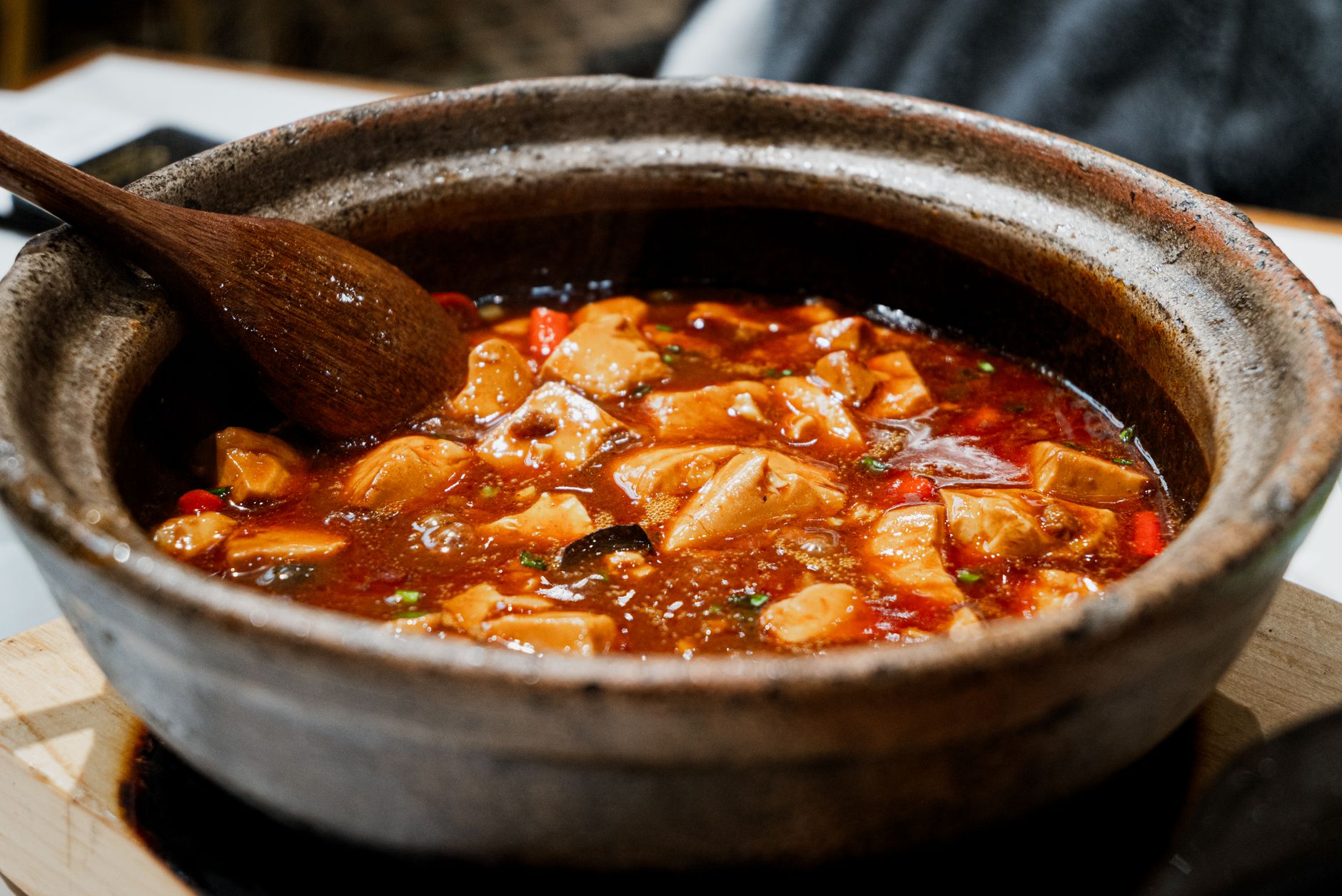
The GreenPan slow cooker is the only mainstream slow cooker that uses a ceramic non-stick coating called Thermolon. That coating is manufactured without PFAS, PFOA, lead, or cadmium. Slow cookers operate at low temperatures, so the risk of fume release is much lower than with a hot skillet. But the insert holds your food for six to eight hours, which gives any coating plenty of contact time. The Environmental Protection Agency has set a health advisory of 4 parts per trillion for PFOA and PFOS in drinking water, a number that reflects how carefully regulators now treat these chemicals. You can read more on the EPA PFAS page.
The 6-quart model comes with a removable ceramic pot, a tempered glass lid, and a programmable timer. Low, high, and warm settings cover most recipes. The pot is dishwasher safe, though hand washing preserves the coating longer. One honest downside: tomato sauce and turmeric can stain the cream-colored ceramic over time. The coating also chips if you bang it against a sink edge. Check the GreenPan slow cooker on Amazon to see current models. For more PFAS-free options, our PFAS-free cookware guide covers ceramic, stainless, and cast iron.
If you store leftovers in the same pot, transfer them to glass. Our best non-toxic food storage guide explains why plastic containers can leach into hot food.
Key strengths:
- ✅ Ceramic coating is free of PFAS, PFOA, lead, and cadmium.
- ✅ Removable pot is dishwasher safe and easy to clean.
- ✅ Programmable timer with low, high, and warm settings.
- ✅ Lightweight compared to stoneware or clay inserts.
- ✅ Backed by a limited lifetime warranty on the coating.
- ❌ Ceramic coating can stain with tomato-based sauces.
- ❌ Coating may chip if handled roughly.
- ❌ More expensive than basic stoneware slow cookers.
Who it’s for: Anyone who wants a dedicated slow cooker with a non-stick surface that avoids fluoropolymers.
2. Instant Pot Duo 7-in-1 , Best stainless steel
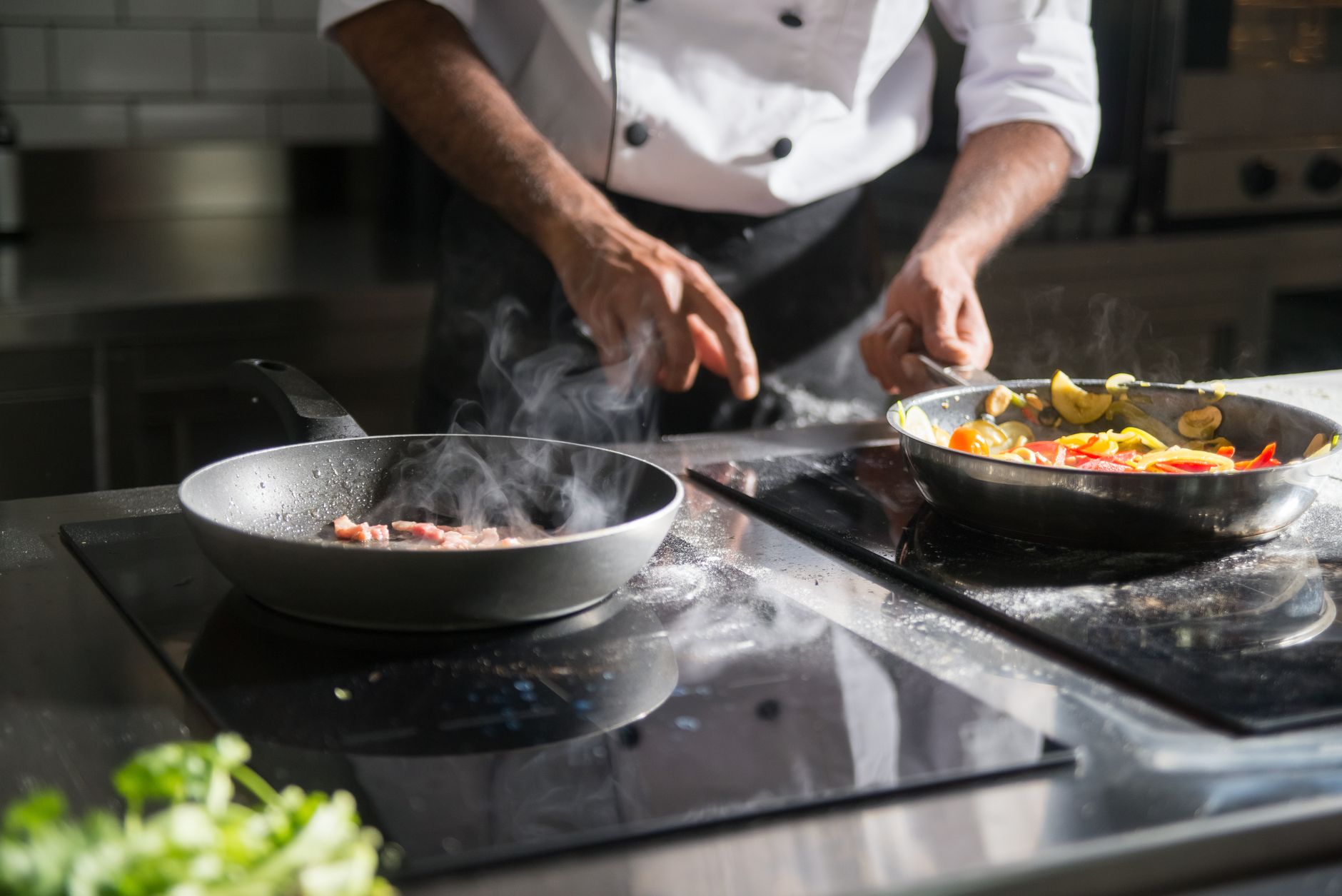
The Instant Pot Duo uses a stainless steel inner pot, not a coated one. That means there is no ceramic layer to chip and no PTFE or PFAS to worry about. The slow cook function works, but it cycles the heating element on and off, so it runs hotter at the bottom than a dedicated slow cooker. Stir occasionally to prevent sticking. The 6-quart model fits a 5-pound chicken or a large batch of chili. Stainless steel is also dishwasher safe and does not retain odors.
One data point: the inner pot is made from 304 (18/8) stainless steel, which is the same alloy used in surgical instruments. Under normal cooking conditions, it does not release measurable nickel or chromium into food. That makes it a strong choice for people with ceramic-coating sensitivities. Switching to stainless also cuts microplastic exposure from scratched non-stick surfaces and plastic utensils. Our guide to reducing microplastics at home has more tips.
The main trade-off is slow cooking performance. The Duo does not have a ceramic non-stick surface, so eggs and sauces stick more. You also cannot use the slow cook setting for recipes that need a true low simmer. Many users prefer the pressure cook function for beans and stews. Check the Instant Pot Duo on Amazon for current bundles.
Key strengths:
- ✅ Stainless steel inner pot has no chemical coating at all.
- ✅ Multi-function design replaces a slow cooker, pressure cooker, and rice cooker.
- ✅ Dishwasher-safe pot and lid.
- ✅ 304 stainless steel resists scratching and odor retention.
- ✅ Large 6-quart capacity fits family meals.
- ❌ Slow cook mode runs hotter and less evenly than a dedicated slow cooker.
- ❌ Food sticks more without a non-stick surface.
- ❌ Bulkier than a simple slow cooker.
Who it’s for: Home cooks who want one appliance that can slow cook, pressure cook, and saute without any coated surface.
3. VitaClay VM7900 , Best unglazed clay
The VitaClay VM7900 is a slow cooker with an unglazed clay inner pot. There is no metal, no ceramic glaze, and no plastic liner. The clay is naturally non-stick once seasoned, and it cooks with far-infrared heat that penetrates food gently. The manufacturer states the clay is tested free of lead and cadmium. That matters because the FDA limits lead in ceramic flatware to 0.5 micrograms per milliliter. You can read the FDA food-contact page for more on ceramicware safety.
The 6-cup model is smaller than most slow cookers, so it suits singles or couples. The clay pot is heavy and fragile. It is not dishwasher safe, and it can crack if you drop it. Heating takes longer than with a metal insert. On the plus side, the unglazed surface does not react with acidic foods like tomato sauce. That means no metallic aftertaste.
PFAS also contaminates drinking water in many communities. Pair your cooking changes with a certified filter. Our PFAS in drinking water guide explains what to look for. Check the VitaClay VM7900 on Amazon to compare prices.
Key strengths:
- ✅ Unglazed clay pot has no glaze, metal, or chemical coating.
- ✅ Naturally non-stick when seasoned.
- ✅ Does not react with acidic foods.
- ✅ Manufacturer tests for lead and cadmium.
- ✅ Compact size suits small households.
- ❌ Heavy and fragile clay pot requires careful handling.
- ❌ Not dishwasher safe.
- ❌ Smaller capacity than standard slow cookers.
Who it’s for: Buyers who want the most traditional, coating-free slow cooker and do not mind hand washing a clay pot.
4. Crock-Pot 6-Quart , Best budget stoneware
The Crock-Pot 6-Quart is the budget standard. Its stoneware insert is glazed, and the company says the glaze is lead-free. But stoneware glazes are not all equal. Older or imported pots can still contain lead or cadmium, which is why the FDA sets limits. For ceramic flatware, the FDA action level is 0.5 micrograms per milliliter for lead and 0.5 micrograms per milliliter for cadmium. Always look for a lead-free or Prop 65 compliant label on the box.
The Crock-Pot heats evenly and has simple low, high, and warm settings. It is cheap and widely available. The stoneware insert is heavy, and it can crack if you thermal shock it. It is dishwasher safe on the bottom rack. Some users report that the glaze can craze over years of use, which may expose the underlying clay. That is rare but worth monitoring.
The main advantage is price. The main disadvantage is uncertainty. If you want a guaranteed non-toxic surface, choose stainless steel or unglazed clay instead. Crock-Pot remains a reasonable choice if you verify the lead-free claim and replace the insert if it cracks.
Key strengths:
- ✅ Very affordable and easy to find in stores.
- ✅ Stoneware insert heats evenly and retains heat well.
- ✅ Company states its current stoneware is lead-free.
- ✅ Simple dial controls with low, high, and warm.
- ✅ Dishwasher-safe insert.
- ❌ Glaze quality varies and older pots may contain lead.
- ❌ Heavy stoneware can crack with thermal shock.
- ❌ No independent third-party testing published for every batch.
Who it’s for: Budget shoppers who will check for a lead-free label and do not want to spend more than necessary.
5. GreenLife Slow Cooker , Best value ceramic
GreenLife is a sister brand to GreenPan. It uses the same ceramic non-stick technology, but at a lower price. The coating is free of PFAS, PFOA, lead, and cadmium. The slow cooker comes in 4-quart and 6-quart sizes. It has a removable ceramic pot and a glass lid. The exterior is often colorful. The trade-offs are real. The coating is thinner than GreenPan’s Thermolon, so it may wear out faster. The warranty is shorter, usually one year instead of a limited lifetime.
The heating element is basic. There is no programmable timer on some models, just a dial. That means you cannot set it and forget it for eight hours. The pot is dishwasher safe. For a first ceramic slow cooker or a gift, GreenLife is a fine entry point. For daily use over many years, spend more on the GreenPan or a stainless steel Instant Pot. Our best non-toxic cookware guide covers more brands and materials.
Key strengths:
- ✅ Ceramic non-stick coating is free of PFAS and heavy metals.
- ✅ Lower price than GreenPan models.
- ✅ Colorful exterior options.
- ✅ Removable pot is dishwasher safe.
- ✅ Lightweight compared to stoneware.
- ❌ Coating is thinner and may wear faster.
- ❌ Shorter warranty, often just one year.
- ❌ Basic controls without a programmable timer on some models.
Who it’s for: Shoppers who want a ceramic non-stick slow cooker on a tight budget and accept a shorter lifespan.
Frequently Asked Questions
Is the GreenPan slow cooker really PFAS-free?
Yes. GreenPan uses a ceramic coating called Thermolon that is manufactured without PFAS, PFOA, lead, or cadmium. The company states this on its packaging and website. Independent lab tests have not found fluoropolymers in the coating.
What is the safest material for a slow cooker?
Stainless steel and unglazed clay are the safest because they have no chemical coating. Ceramic non-stick from a reputable brand like GreenPan is also a good choice. Avoid any insert with a scratched PTFE coating.
Does Crock-Pot still use lead in its glaze?
Current Crock-Pot stoneware is advertised as lead-free. However, the FDA does not require every batch to be tested. If you have an older pot or an unlabeled import, consider replacing it or testing it with a home lead swab.
Can I use a slow cooker with a stainless steel insert?
Yes. The Instant Pot Duo has a stainless steel inner pot that works for slow cooking. Food sticks more than with non-stick, so use a little oil or stir occasionally.
How do I avoid microplastics when using a slow cooker?
Use a glass or stainless steel lid instead of plastic, avoid plastic utensils, and never store leftovers in the cooking pot if it is plastic. Transfer food to glass containers. See our guide on reducing microplastics at home.
Is ceramic non-stick better than PTFE for slow cooking?
For slow cooking, the main advantage of ceramic is that it contains no PFAS. PTFE is stable at low temperatures, so the risk is lower than in a hot pan. But ceramic avoids the fluoropolymer supply chain entirely, which many consumers prefer.
What Should You Remember?
- Ceramic non-stick like GreenPan’s Thermolon is made without PFAS, PFOA, lead, or cadmium.
- Stainless steel inserts from Instant Pot provide a completely coating-free surface.
- Unglazed clay from VitaClay avoids glazes and metals, though the pot is fragile.
- Lead in stoneware is limited by FDA to 0.5 µg/mL for flatware, so verify any lead-free claim.
- PFAS in drinking water often exceeds the EPA advisory of 4 ppt, so a filter matters more than cookware.
- Microplastic exposure drops when you replace scratched non-stick and plastic utensils with glass or steel.
This article is for general information only and is not medical, legal, or regulatory advice. Chemical-safety claims and product choices should be verified against current scientific research and the guidance of relevant agencies (EPA, FDA, EWG, CDC). Always follow manufacturer instructions and consult a qualified professional for health or exposure concerns.