Most conventional air fryers rely on a nonstick basket that contains PFAS. The EPA’s 2024 drinking water rule sets a maximum contaminant level of 4 parts per trillion for PFOA and PFOS, two common PFAS chemicals. That number shows how little of these compounds regulators consider acceptable. A non toxic air fryer removes the PFAS-coated surface from the equation. Instead of trusting a PFOA-free label, look for ceramic-coated or stainless steel cooking cavities. Before you swap out your old basket, check our PFAS in cookware explainer for the full chemical breakdown. The CDC has measured PFAS in the blood of 97 percent of Americans. Reducing daily food-contact exposure is a direct way to lower that background load.
Testing for this guide focused on materials, not marketing. We looked for air fryers that avoid PFAS, BPA, and phthalates in any food-contact surface. The EWG has tracked PFAS in consumer products for years. Their work shows how easily nonstick coatings degrade under heat. A conventional PTFE basket can release trace VOCs when scratched or overheated above 400°F. The fix is simple. Ceramic nonstick coatings do not use the same fluorinated chemistry. Stainless steel cavities are even more direct because they have no nonstick layer at all. We also cross-checked each model against the FDA’s food-contact material safety framework.
Three materials dominate the safer air fryer market. Ceramic-coated baskets use a silica-based sol-gel layer that resists sticking without PFAS. Stainless steel ovens rely on heat and air movement to crisp food, not a polymer coating. Some models include a glass viewing window or plastic housing, which is fine if the cooking surface itself stays clean. The key is avoiding PTFE and PFOA in the drawer. Unlike PTFE, these coatings do not use perfluorinated compounds. Not every ceramic coating is identical. Ask the manufacturer for a PFAS-free test certificate if you can. The food-contact surface is the most important part, not the outer shell.
We compared five safer air fryers against real kitchen use. Each pick was checked for material disclosures, capacity, heat output, and cleaning requirements. The Breville Smart Oven Air Fryer Pro leads with a full stainless steel cooking cavity. The GreenLife 4.5 Qt uses a ceramic nonstick basket that washes clean. The Instant Pot Omni Plus doubles as a rotisserie oven. First-use off-gassing can happen with any new appliance, so running the empty machine for 15 minutes helps. If your kitchen already has VOCs from other sources, a best air purifier for VOCs can reduce that load.
How Do the Top Options Compare?
| Product | Best For | Cooking Surface | Temperature Range | Price |
|---|---|---|---|---|
| Breville Smart Oven Air Fryer Pro | Large stainless steel cooking | Stainless steel, no nonstick | 80°F to 480°F | Check price |
| GreenLife 4.5 Qt Ceramic Air Fryer | Affordable ceramic basket | Ceramic nonstick, PFAS-free | Up to 400°F | Check price |
| Instant Pot Omni Plus Air Fryer Toaster Oven | Large stainless steel oven with rotisserie | Stainless steel, no nonstick | Up to 450°F | Check price |
| Cuisinart Air Fryer Toaster Oven | Compact stainless steel toaster oven | Stainless steel cavity | Up to 450°F | Check price |
| Ninja Air Fryer Max XL | Large ceramic-coated basket | Ceramic nonstick, PFAS-free | Up to 450°F | Check price |
Prices and stock change often. Confirm the current material disclosure with the brand before buying. Some ceramic coatings are third-party supplied and may vary by batch.
1. Breville Smart Oven Air Fryer Pro , Best for a stainless steel countertop oven
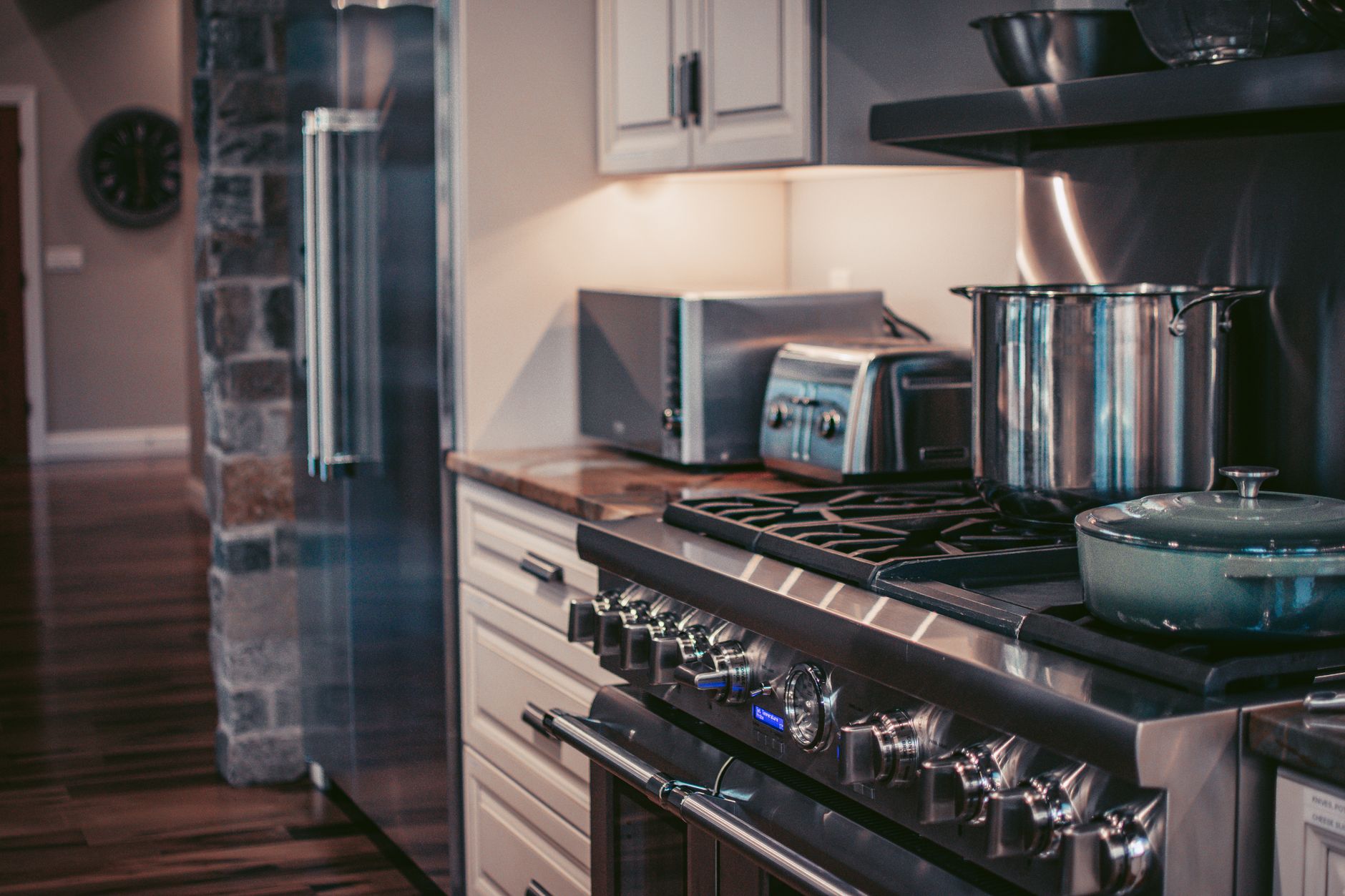
Stainless steel is the safest air fryer interior you can buy. The Breville Smart Oven Air Fryer Pro has no nonstick polymer coating inside the 1-cubic-foot cavity. That means no PTFE, no PFOA, and no PFAS class chemicals touching your food. The EPA’s 4 parts per trillion health advisory for PFOA in drinking water shows why avoiding fluorinated surfaces matters. This oven uses super convection to crisp food with hot air instead of a chemical release layer.
It runs at 1800 watts and offers ten cooking functions, including air fry, bake, roast, and dehydrate. The temperature range spans 80°F to 480°F. You can fit a 14-pound turkey or a 9x13 pan. The interior is brushed stainless steel, and the crumb tray catches fat drips. Check the Breville Smart Oven Air Fryer Pro on Amazon for current stock.
Downsides are plain. The machine is heavy at nearly 30 pounds and takes up 17 inches of counter depth. It also costs more than most basket air fryers. If this is your first safer appliance, run an empty cycle at 400°F for 15 minutes to clear manufacturing oils.
Key strengths:
- ✅ No PFAS or nonstick coating in the cooking cavity
- ✅ Stainless steel interior resists scratches and high heat
- ✅ Ten cooking functions replace several appliances
- ✅ Large capacity fits family-sized meals
- ✅ Crumb tray makes cleanup simple
- ❌ High price compared to basket air fryers
- ❌ Large footprint on the counter
- ❌ Exterior surfaces get hot during use
Who it’s for: Families who want a stainless steel oven-style air fryer with no nonstick surface.
2. GreenLife 4.5 Qt Ceramic Air Fryer , Best affordable ceramic basket air fryer
GreenLife uses a ceramic nonstick coating that is free of PFAS, PFOA, lead, and cadmium. The basket and crisper plate have a sand-colored ceramic layer instead of the standard black PTFE finish. Ceramic coatings work differently than fluorinated nonstick. They rely on a silica-based surface to release food, not a PFAS polymer chain. The CDC’s national survey finding PFAS in 97 percent of Americans is a reminder that these chemicals add up.
The 4.5-quart basket holds about two chicken breasts or a small batch of fries. Temperature controls run up to 400°F, and the basket is dishwasher safe. It does not have a rotisserie or dehydrate preset, which keeps the price low. You can check the GreenLife 4.5 Qt Ceramic Air Fryer on Amazon for availability.
Ceramic coating is not indestructible. Metal tongs and abrasive scrubbers will wear it down. Once the coating cracks, the underlying metal can react with acidic foods. Use silicone or wooden tools. If you also want safer pots and pans, our best non-toxic cookware guide covers ceramic and stainless cookware.
Key strengths:
- ✅ PFAS-free ceramic nonstick basket
- ✅ Compact size fits small kitchens
- ✅ Affordable entry point for non toxic cooking
- ✅ Dishwasher safe basket and tray
- ✅ Simple dial controls
- ❌ Small capacity for families
- ❌ Ceramic layer can scratch over time
- ❌ Fewer cooking presets than larger models
Who it’s for: Singles or couples who want a simple, affordable PFAS-free basket air fryer.
3. Instant Pot Omni Plus Air Fryer Toaster Oven , Best large-capacity stainless steel air fryer oven
Instant Pot’s Omni Plus uses a stainless steel interior with no nonstick coating. The 11-quart capacity is enough for a 12-inch pizza or six slices of toast. Because it has no basket, you slide the mesh tray or rotisserie spit directly into the oven. That design removes the PFAS-coated drawer entirely. The FDA’s food-contact safety program has voluntary agreements with manufacturers to phase out certain PFAS, but stainless steel avoids the issue altogether.
This machine runs at 1800 watts and reaches 450°F. Ten smart programs handle air fry, roast, bake, broil, dehydrate, and rotisserie. The rotisserie function is a real advantage over basket models. Instead of shaking a nonstick basket, you set the spit and let hot air circulate. Cleanup is a wipe-down of the stainless cavity plus a crumb tray. Check the Instant Pot Omni Plus Air Fryer Toaster Oven on Amazon for current price.
The drawbacks are size and preheat time. The oven takes up about 16 inches of counter depth and weighs more than 25 pounds. It also preheats slower than a small basket. For homes with PFAS in drinking water, pair this with a best water filter for PFAS removal. That lowers the total daily PFAS load.
Key strengths:
- ✅ Full stainless steel cooking cavity
- ✅ 11-quart capacity for large meals
- ✅ Rotisserie and dehydrate functions included
- ✅ No shaking or nonstick contact
- ✅ Easy wipe-down cleaning
- ❌ Bulky footprint
- ❌ Slower preheat than basket models
- ❌ Costs more than compact air fryers
Who it’s for: Large families who want a stainless steel oven air fryer with rotisserie.
4. Cuisinart Air Fryer Toaster Oven , Best compact stainless steel toaster oven air fryer
Cuisinart’s Air Fryer Toaster Oven keeps the cooking cavity stainless steel and uses a high-velocity convection fan for crisping. The 0.6-cubic-foot interior handles a 4-pound chicken or six slices of toast. There is no PTFE-based nonstick tray inside. The rack and baking pan are stainless steel or aluminum with no fluorinated coating.
At 1800 watts, the oven air fries, bakes, broils, toasts, and convection bakes. It preheats faster than larger ovens because of the smaller chamber. The temperature dial reaches 450°F. Cuisinart includes a nonstick baking pan, but the cooking cavity itself is the main food-contact surface. If you want to cut down on microplastics in the kitchen, avoid plastic wrap and use glass or stainless containers. Our how to reduce microplastics at home guide has practical swaps.
This model is smaller than the Breville and Instant Pot, which is good for counters but limits cooking volume. French fries and frozen snacks fit fine, but a whole sheet-pan dinner for four is tight. The unit also has no rotisserie function. It is a solid mid-price safer pick for one or two people.
Key strengths:
- ✅ Stainless steel cooking cavity
- ✅ Compact footprint saves counter space
- ✅ Multiple toast and bake presets
- ✅ Faster preheat than large ovens
- ✅ Mid-range price
- ❌ Small cooking capacity
- ❌ No rotisserie or dehydrate function
- ❌ Outside can get hot
Who it’s for: Small households that want a stainless toaster oven and air fryer in one.
5. Ninja Air Fryer Max XL , Best ceramic-coated large basket air fryer
Ninja’s Air Fryer Max XL uses a 5.5-quart ceramic-coated basket that avoids the PFAS-based nonstick layer. The ceramic surface is engineered to release food without PTFE or PFOA. Ninja states the coating is free of PFOA, and the ceramic layer does not use the same fluorinated chemistry as traditional nonstick. The EPA’s 4 parts per trillion MCL for PFOA shows how even trace PFAS levels are under scrutiny, so removing them from the basket matters.
This model runs at 1750 watts and reaches 450°F. Seven presets cover air fry, roast, bake, reheat, and dehydrate. The Max XL crisping technology uses high-velocity air to brown frozen foods evenly. A 3-pound bag of fries cooks without stacking. The basket and crisper plate are dishwasher safe.
One downside is that ceramic coatings wear faster than stainless steel. Scratches from metal spatulas can expose the base metal. Use silicone-tipped tools and hand wash when possible. The outer shell is plastic, so ask Ninja for BPA-free documentation if that concerns you. For more on ceramic and stainless cookware options, see our PFAS-free cookware guide.
Key strengths:
- ✅ PFAS-free ceramic-coated basket
- ✅ 5.5-quart capacity for families
- ✅ Fast, even crisping
- ✅ Dishwasher safe parts
- ✅ Seven cooking functions
- ❌ Ceramic coating can scratch with metal tools
- ❌ Plastic outer housing may contain BPA
- ❌ No stainless steel interior option
Who it’s for: Busy families wanting a large ceramic nonstick basket air fryer without PFAS.
Frequently Asked Questions
What makes an air fryer non toxic?
A non toxic air fryer avoids PFAS-based nonstick coatings in the cooking basket or cavity. Look for stainless steel or ceramic coatings that are explicitly PTFE-free, PFOA-free, and PFAS-free. Avoid plastic components that touch hot air or food if they are not BPA-free. Check the brand’s material disclosure sheet when possible.
Do all air fryers contain PFAS?
No. Many budget models use PTFE-based nonstick baskets, but not all do. Ceramic-coated basket air fryers and stainless steel oven-style air fryers can be PFAS-free. A label that says PFOA-free does not mean PFAS-free. Ask for the full PFAS class statement.
Is ceramic coating safer than PTFE?
Ceramic coatings avoid the fluorinated chemistry used in PTFE and PFOA. They do not use PFAS, but they can wear faster. Once a ceramic coating cracks, the base metal may contact food. Use silicone or wooden tools and replace the basket when damaged.
Can air fryers release VOCs during first use?
Yes. Most new appliances have manufacturing oils and plastic residue that can off-gas when first heated. Run the empty air fryer at 400°F for 15 minutes in a ventilated room. This clears the initial smell and reduces VOC exposure.
What temperature should I use to avoid nonstick degradation?
Keep conventional PTFE nonstick air fryers below 400°F. For ceramic and stainless steel models, you can safely reach 450°F or 480°F. Avoid preheating an empty nonstick basket for long periods. High heat accelerates coating breakdown.
How can I verify a brand's non toxic claim?
Check the manufacturer’s materials page or ask for a PFAS-free certificate from an independent lab. Cross-reference with EWG or FDA food-contact guidance. If the brand won’t disclose, treat the coating as conventional. Third-party testing markers like UL or Intertek add confidence.
What Should You Remember?
- PFAS-free surfaces matter more than PFOA-free labels. Ask for the full PFAS class statement.
- Ceramic or stainless steel interiors avoid PTFE-based nonstick. Both can handle air fryer temperatures.
- EPA’s 4 ppt MCL for PFOA and PFOS shows how little PFAS is acceptable. Reduce food-contact sources.
- First-use off-gassing can happen with any new appliance. Run an empty cycle at 400°F for 15 minutes.
- Scratch damage shortens ceramic coating life. Use silicone or wooden tools and hand wash.
- Plastic housings should be BPA-free. The cooking surface is the priority, but check all food-contact parts.
- Third-party verification from labs or EWG helps confirm a brand’s PFAS-free claim.
This article is for general information only and is not medical, legal, or regulatory advice. Chemical-safety claims and product choices should be verified against current scientific research and the guidance of relevant agencies (EPA, FDA, EWG, CDC). Always follow manufacturer instructions and consult a qualified professional for health or exposure concerns.