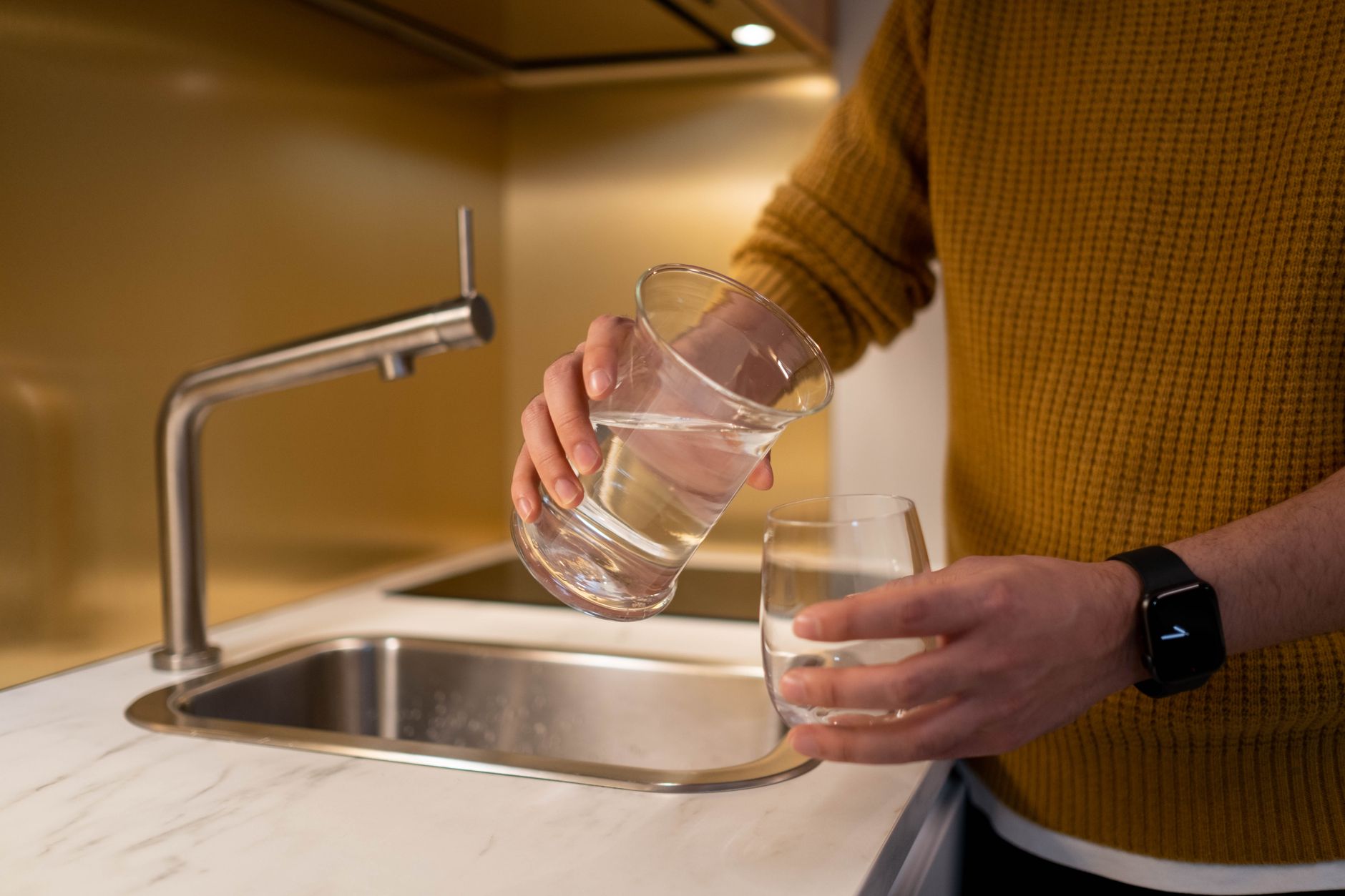
Best Water Filters for PFAS Removal

Best Water Filters for PFAS Removal 2026

⚡ Quick Answer: Reverse osmosis systems are the most effective at removing PFAS from drinking water — removing 90-99% of most compounds. For portable options, the Clearly Filtered pitcher publishes third-party lab results showing 99.5%+ PFAS reduction. Standard Brita-type filters are inadequate for PFAS removal. Photo: Helena Lopes / Pexels A 2023 U.S. Geological Survey study found PFAS in 45% of US tap water samples — including well water. The EPA’s 2024 PFAS rules set maximum contaminant levels of 4 parts per trillion for PFOA and PFOS. Many utilities are still working to comply. For most households, point-of-use filtration is the most practical way to reduce PFAS in drinking water right now. ...

April 25, 2026 · 5 min · ToxinFreeMaterials
PFAS in baby products 2026 — organic cotton baby clothing safer alternative

PFAS in Baby Products: What Parents Need to Know in 2026

⚡ Quick Answer: PFAS (forever chemicals) have been detected in car seats, nursing pillows, stroller fabrics, and waterproof baby clothing. The most PFAS-contaminated baby categories are: waterproof/stain-resistant items, foam-filled products, and food-contact plastic. Safest alternatives: GOTS-certified organic cotton, untreated wool, stainless steel feeding items, and brands with third-party PFAS testing. Why Baby Products Are a PFAS Hotspot Related guides: [non-toxic baby products guide](</articles/non-toxic-baby-products-guide), [PFAS in cookware explained](</articles/pfas-in-cookware-what-you-need-to-know), [best non-toxic food storage](</articles/best-non-toxic-food-storage-2026), and [non-toxic cleaning products](</articles/non-toxic-cleaning-products-guide). ...

April 25, 2026 · 9 min · ToxinFreeMaterials
PFAS in Cookware: What the Science Actually Says

PFAS in Cookware: What the Science Actually Says

⚡ Quick Answer: Non-stick cookware coated with PTFE (Teflon) contains PFAS — synthetic chemicals that accumulate in the body and are linked to cancer, thyroid disruption, and immune system effects. PFOA-free does not mean PFAS-free. The safest options are cast iron, carbon steel, stainless steel, and certified ceramic cookware. Photo: Mohsen Naranjani / Pexels PFAS (per- and polyfluoroalkyl substances) is a family of over 12,000 synthetic chemicals. They’re called “forever chemicals” because the carbon-fluorine bond in PFAS is one of the strongest in organic chemistry — it doesn’t break down in the environment, in water, or in your body. They accumulate over a lifetime. ...

April 25, 2026 · 5 min · ToxinFreeMaterials
water testing kit for PFAS contamination in home drinking water supply

PFAS in Drinking Water: What You Need to Know in 2026 | ToxinFreeMaterials

Quick Answer: PFAS (“forever chemicals”) contaminate the drinking water of an estimated 200+ million Americans and millions of Canadians. They don’t break down in the environment or your body. The EPA now enforces a limit of 4 parts per trillion for PFOA and PFOS. To remove PFAS at home, you need a reverse osmosis system or a certified activated carbon block filter — standard pitcher filters aren’t enough. What Are PFAS and Why Should You Care? PFAS — per- and polyfluoroalkyl substances — are a family of over 14,000 synthetic chemicals that share one defining trait: they contain carbon-fluorine bonds, which are among the strongest bonds in organic chemistry. This makes them incredibly useful for making things non-stick, waterproof, and stain-resistant. It also makes them virtually indestructible in the environment. ...

April 25, 2026 · 13 min · ToxinFreeMaterials