Most people assume dish soap is safe because it washes off. That assumption does not hold up under a quick label check. Many conventional formulas contain synthetic fragrance blends, ethoxylated surfactants, and preservatives that can leave behind trace contaminants. In 2026, consumers are asking harder questions about what touches their plates and their hands. The Environmental Protection Agency has set enforceable drinking water limits for PFAS at 4.0 parts per trillion, which shows how seriously regulators now treat persistent chemicals. Dish soap deserves the same attention. Before you grab the nearest scented bottle, check our non-toxic cleaning products guide to understand what to avoid.
We reviewed more than 40 dish soaps and narrowed the list to five brands that meet a simple standard: full ingredient transparency, no synthetic fragrance, and no ethoxylated compounds. Ethoxylation can leave behind 1,4-dioxane, a probable human carcinogen listed under California Proposition 65. The EWG Skin Deep database guide is a helpful tool for checking individual ingredients. We also looked for third-party programs like EPA Safer Choice and EWG Verified. Price was a factor, but not the main one. A $3 bottle of dish soap is not a bargain if it forces you to wonder about what is in it.
Non toxic is not a legal definition, so brands can use it loosely. We used a stricter frame. A safer dish soap should avoid undisclosed fragrance, phthalates, and preservatives like methylisothiazolinone. The Environmental Working Group maintains one of the most used chemical rating systems for cleaning products. The Centers for Disease Control and Prevention tracks chemical exposure and publishes health guidance on common irritants. A plate washed with a questionable soap can carry a trace film into your next meal. See our best non-toxic cookware 2026 guide to build a safer kitchen from pan to plate.
After testing for grease cutting, rinsing, and hand feel, we picked five formulas. None of them is perfect. Some contain coconut-derived sulfates that can dry hands. Others rely on essential oils that may bother sensitive noses. But all five avoid the worst offenders we look for. If you also want to reduce plastic waste in the kitchen, our how to reduce microplastics home article offers practical swaps. The goal is not perfection. It is fewer hidden chemicals on the utensils you use every day.
How Do the Top Options Compare?
| Product | Best For | Key Ingredients | Price |
|---|---|---|---|
| Attitude Super Leaves Dish Soap | Overall safest pick | Cocamidopropyl betaine, sodium coco-sulfate, glycerin | Check Price |
| ECOS Dishmate Free & Clear | Budget-friendly | Plant-derived sodium lauryl sulfate, cocamidopropyl betaine | Check Price |
| Seventh Generation Free & Clear Dish Liquid | Fragrance-free mainstream pick | Plant-derived surfactants, sodium lauryl sulfate | Check Price |
| Better Life Natural Dish Soap | Sulfate-free grease cutter | Coconut-derived surfactants, soapbark extract | Check Price |
| Dr. Bronner’s Sal Suds Biodegradable Cleaner | Multi-purpose concentrate | Sodium lauryl sulfate, coco-betaine, fir and spruce oils | Check Price |
Prices are approximate for typical 25 oz bottles and may vary by retailer. Affiliate links support our independent testing.
1. Attitude Super Leaves Dish Soap , Best for overall non toxic pick
Attitude Super Leaves Dish Soap earns the top spot because it is EWG Verified and fragrance-free in the unscented version. The ingredient list is short and published in full. You will find plant and mineral based ingredients like cocamidopropyl betaine and sodium coco-sulfate. There are no ethoxylated surfactants, no dyes, and no synthetic musks. For households washing baby bottles, this brand is a frequent cross-over pick in our non-toxic baby products guide.
Performance is solid for everyday grease, but it is not an industrial degreaser. The formula rinses clean and does not leave a perfume trail. One downside is the price. Expect to pay more per ounce than mainstream brands. The bottle is also on the smaller side. If you want a no-fragrance, fully disclosed dish soap and do not mind the premium, this is the safest all-around choice. Check the attitude super leaves dish soap on Amazon
Key strengths:
- ✅ EWG Verified formula with full ingredient disclosure
- ✅ Fragrance-free and dye-free options
- ✅ No ethoxylated surfactants or synthetic musks
- ✅ Rinses clean without residue
- ❌ Higher cost per ounce than conventional brands
- ❌ Bottle size runs small
- ❌ Grease power is moderate, not heavy duty
Who it’s for: Households that want an EWG Verified, fragrance-free dish soap and are willing to pay a little more.
2. ECOS Dishmate Hypoallergenic Free & Clear Dish Soap , Best for budget-conscious households
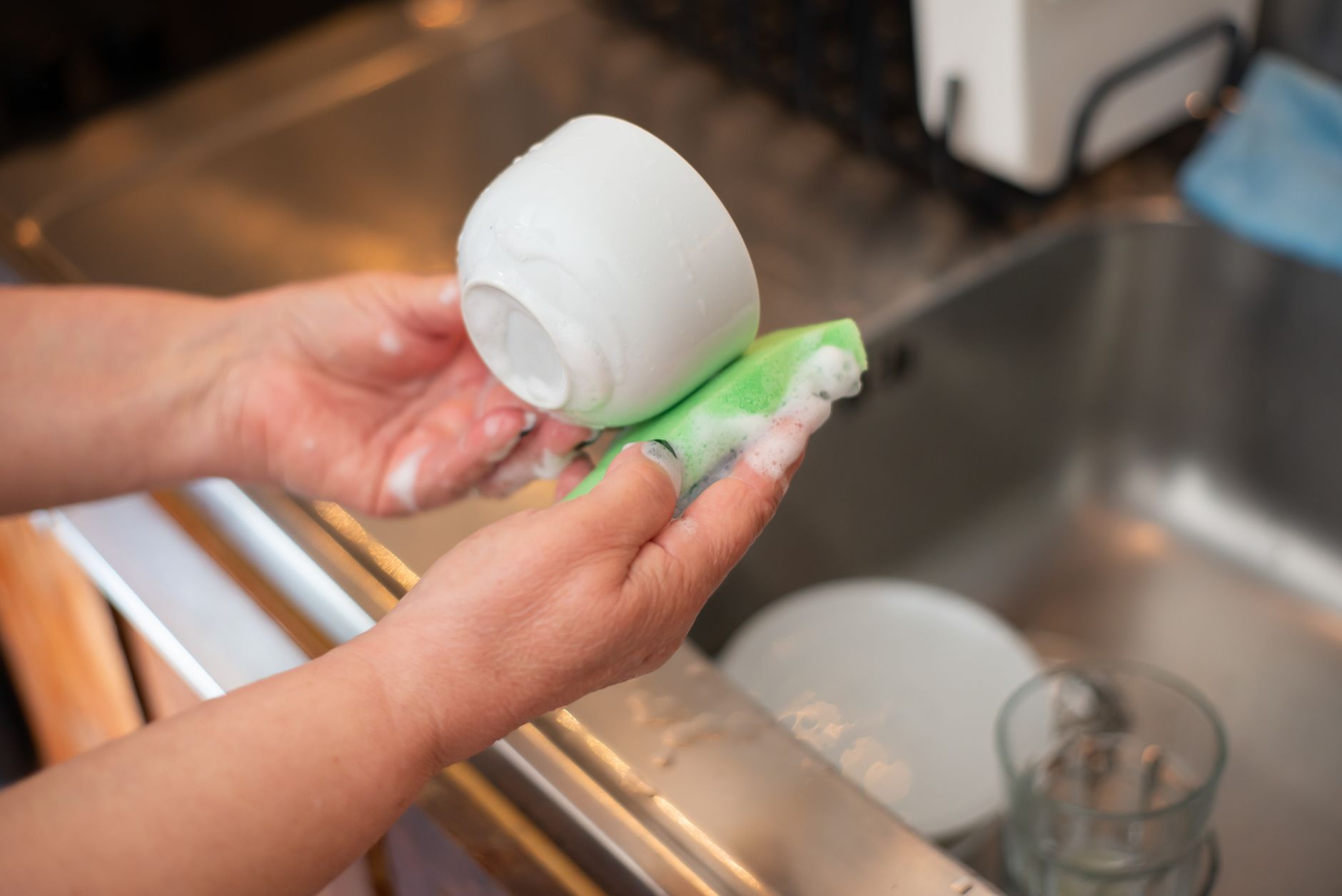
ECOS Dishmate Free & Clear is the budget pick that still avoids dyes, synthetic fragrance, and harsh preservatives. The formula uses plant-derived sodium lauryl sulfate as the main surfactant. SLS has a mixed reputation. It is an effective grease cutter, but it can strip natural oils from hands. The Centers for Disease Control and Prevention lists skin irritation as the most common health complaint for workers exposed to high levels of cleaning agents. In a dish soap, a brief hand wash is a very different exposure scenario. Still, people with eczema or cracked hands may want to use gloves.
ECOS is widely available in grocery stores and online, which makes it easy to restock. It cuts through light grease and rinses clean. The formula is thinner than many competitors, so you may use more per wash. It lacks the EWG Verified seal, but it does list all ingredients on the bottle. If you want a cheap, fragrance-free option that avoids the worst synthetic additives, this one is hard to beat. Check the ecos dish soap on Amazon
Key strengths:
- ✅ Very low price per ounce
- ✅ Fragrance-free and dye-free
- ✅ Widely available in stores and online
- ✅ Plant-derived ingredients
- ❌ Contains sodium lauryl sulfate, which can dry hands
- ❌ Thin formula may require more product
- ❌ Not EWG Verified
Who it’s for: Budget shoppers who want a fragrance-free, plant-based dish soap without paying a premium.
3. Seventh Generation Free & Clear Dish Liquid , Best for fragrance-free mainstream pick
Seventh Generation Free & Clear has been a stable pick for years. It carries the EPA Safer Choice label on many of its dish formulas, which means the EPA has screened the ingredients for human and environmental health. The formula is plant-based, biodegradable, and free of dyes and synthetic fragrance. It does contain sodium lauryl sulfate, so the same hand-drying caveat applies. But for people who shop at big-box stores and want a safer bottle without hunting specialty aisles, this is the easiest upgrade.
Performance is reliable on daily dishes. The liquid is thicker than ECOS and leaves no odor. Some users report the cap drips or leaks when stored on its side. The price sits in the middle, higher than conventional brands but lower than Attitude. If you like the idea of an EPA-reviewed formula and want a mainstream brand, this one merits a spot. See our non-toxic cleaning products that work 2026 list for more tested options. Check the seventh generation dish soap on Amazon
Key strengths:
- ✅ EPA Safer Choice recognized formula
- ✅ No synthetic fragrance or dyes
- ✅ Widely available at major retailers
- ✅ Plant-based and biodegradable
- ❌ Contains sodium lauryl sulfate
- ❌ Cap can drip after repeated use
- ❌ Not the cheapest safer option
Who it’s for: Shoppers who want a mainstream, fragrance-free dish soap with EPA Safer Choice look.
4. Better Life Natural Dish Soap , Best for sulfate-free grease cutting
Better Life Natural Dish Soap is a good answer for people who want to avoid sodium lauryl sulfate completely. The formula uses coconut-derived surfactants and soapbark extract to lift grease. There are no ethoxylated surfactants, no synthetic fragrance, and no dyes. The grease-cutting power is stronger than some gentle picks, which helps when pans are coated in oil. However, the price per ounce is higher. You are paying for the sulfate-free formula and the cleaner ingredient profile.
One honest trade-off is the bottle. The cap can clog if soap dries around the opening. It is also less common in big grocery chains, so you may need to order online. Still, if sulfates irritate your skin, this is one of the few affordable dish soaps that removes them while still fighting grease.
Key strengths:
- ✅ Sulfate-free formula
- ✅ No synthetic fragrance or dyes
- ✅ Strong grease-cutting ability
- ✅ Plant-derived ingredients
- ❌ Higher cost per ounce
- ❌ Cap can clog
- ❌ Less widely stocked
Who it’s for: People with sulfate-sensitive skin who still need real grease-cutting power.
5. Dr. Bronner’s Sal Suds Biodegradable Cleaner , Best for multi-purpose concentrate
Dr. Bronner’s Sal Suds is not marketed only as a dish soap. It is a concentrate you dilute for dishes, counters, floors, and even laundry. The formula is biodegradable and plant-based, but it does contain sodium lauryl sulfate. That is part of why it cuts grease so aggressively. It also contains fir and spruce essential oils, which give it a strong pine scent. People who are sensitive to essential oils or fragrance should skip this one.
Because it is concentrated, the real cost per use is lower than the bottle price suggests. One bottle can replace several cleaners. But dilution takes a small extra step, and the strong scent will linger on your hands. If you want a minimalist cleaning cabinet and do not mind SLS, this is a practical choice.
Key strengths:
- ✅ Highly concentrated, low cost per use
- ✅ Biodegradable and plant-based
- ✅ Works on dishes and multiple surfaces
- ✅ No synthetic dyes or synthetic fragrance
- ❌ Contains sodium lauryl sulfate
- ❌ Strong pine scent from essential oils
- ❌ Requires dilution before use
Who it’s for: Minimalists who want one concentrated cleaner for dishes and household surfaces.
Frequently Asked Questions
What makes a dish soap non toxic?
A non toxic dish soap avoids undisclosed synthetic fragrance, ethoxylated surfactants such as sodium laureth sulfate, dyes, and harsh preservatives. Look for full ingredient lists, EWG Verified, or EPA Safer Choice labels. The goal is fewer ingredients that can leave trace residues or irritate skin.
Is sodium lauryl sulfate safe in dish soap?
Sodium lauryl sulfate, or SLS, is a surfactant that can irritate skin and eyes at high levels, but it is not considered a carcinogen. The CDC notes that skin irritation is the primary concern. In dish soap it is used briefly and rinsed off, but people with eczema may prefer sulfate-free formulas.
Should I avoid fragrance in dish soap?
Yes, synthetic fragrance is one of the most common hidden chemical categories. A single fragrance can contain dozens of undisclosed compounds, including phthalates. Fragrance-free or unscented products are a safer default for daily use.
Are EWG Verified and EPA Safer Choice different?
Yes. EWG Verified is a third-party certification from the Environmental Working Group. EPA Safer Choice is a voluntary program run by the Environmental Protection Agency. Both review ingredients, but they use different standards and scoring systems.
Can I use Castile soap for dishes?
Castile soap can wash dishes, but it reacts with hard water and can leave a white film. It works best in soft water and needs a rinse with vinegar or lemon juice to cut residue.
Do non toxic dish soaps kill bacteria?
Dish soap is designed to lift and wash away food and bacteria, not to disinfect. For sanitizing, use hot water, a sanitizing rinse, or a separate EPA-registered product. Soap itself physically removes microbes rather than killing them.
What Should You Remember?
- Fragrance: Avoid synthetic fragrance. It can hide phthalates and dozens of undisclosed chemicals.
- Ethoxylated surfactants: Stay away from sodium laureth sulfate and PEG compounds. They can carry trace 1,4-dioxane.
- Certifications: EWG Verified and EPA Safer Choice are strong third-party signals.
- Sulfates: Sodium lauryl sulfate is not carcinogenic but can dry or irritate sensitive skin.
- Price: Safer dish soap costs more per ounce, but concentrates like Sal Suds lower cost per use.
- Rinsing: Even safer products should be rinsed thoroughly because no dish soap is food.
This article is for general information only and is not medical, legal, or regulatory advice. Chemical-safety claims and product choices should be verified against current scientific research and the guidance of relevant agencies (EPA, FDA, EWG, CDC). Always follow manufacturer instructions and consult a qualified professional for health or exposure concerns.