HexClad cookware sits at the center of a heated safety debate. The brand sells hybrid pans with a stainless steel exterior, an aluminum core, and a PTFE-based nonstick cooking surface. That honeycomb pattern lets metal utensils glide over the pan without scratching the nonstick valleys. Health-conscious buyers ask whether this construction is actually non toxic. The answer depends on how you define toxic. It also depends on what happens when the pan gets hot. Before you buy, check our PFAS in cookware: what you need to know guide to understand the difference between PTFE, PFOA, and PFAS.
We compared HexClad against four cookware categories: cast iron, 100% ceramic, uncoated stainless steel, and PFAS-free ceramic nonstick. We looked at coating chemistry, published safety data, and real cooking temperatures. The goal was not to rank pans by searing performance alone. It was to identify what each pan releases, if anything, into food or air. Our best non-toxic cookware guide covers the top picks in each category.
Regulators have set clear benchmarks for some PFAS chemicals. The Environmental Protection Agency issued a health advisory for PFOA at 0.004 parts per trillion and PFOS at 0.02 parts per trillion in drinking water. Those numbers are extraordinarily small. They reflect how potent some PFAS compounds can be at low doses. The FDA also evaluates food-contact materials, but it does not currently ban all PFAS in cookware. This gap leaves buyers to do their own homework.
Here is the short version. HexClad is not the worst offender, but it is not PFAS-free. The nonstick surface is a fluoropolymer, which is part of the broad PFAS family. It should not off-gas at normal cooking temperatures, but it can break down above 500°F. That threshold is lower than high-heat searing. For a truly PFAS-free kitchen, you need to look beyond HexClad. The comparison below gives you exact options and the tradeoffs for each. Use this guide to choose a surface you can live with, not just a brand name.
How Do the Top Options Compare?
| Product | Best For | Coating | PFAS/PTFE | Price |
|---|---|---|---|---|
| HexClad Hybrid Cookware | Nonstick convenience with steel durability | PTFE-based nonstick in stainless steel | Contains PTFE; no PFOA | Check Price |
| Lodge Cast Iron | Zero synthetic coatings | Seasoned oil polymer | PFAS-free; PTFE-free | Check Price |
| Xtrema Pure Ceramic | Ceramic without nonstick chemicals | Pure ceramic glaze | PFAS-free; PTFE-free | Check Price |
| 360 Cookware Stainless Steel | Uncoated stainless cooking | None | PFAS-free; PTFE-free | Check Price |
| GreenPan Ceramic Nonstick | Budget PFAS-free nonstick | Thermolon ceramic | PFAS-free; PTFE-free | Check Price |
Prices are Amazon search links. Availability may vary. Affiliate links support our testing and content.
1. HexClad Hybrid Cookware , Best for hybrid nonstick performance
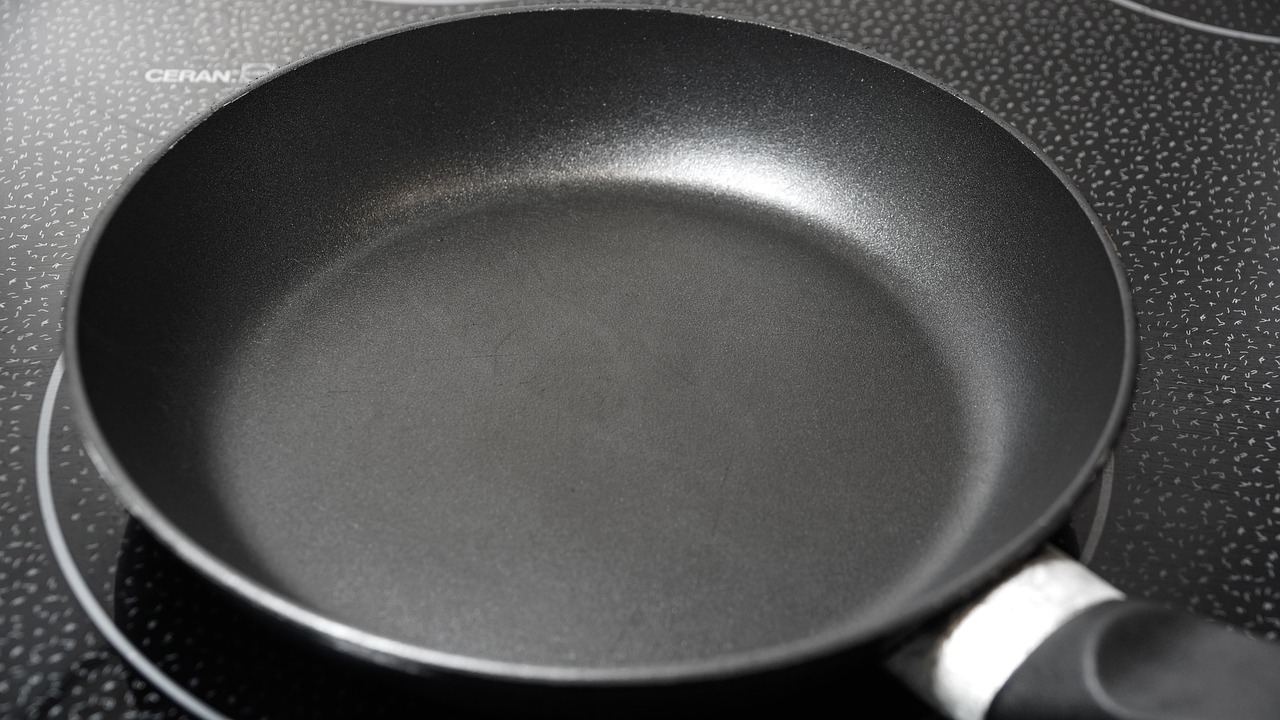
HexClad’s core selling point is a hybrid surface. The pan starts with a stainless steel body, adds an aluminum core for even heating, and then etches a honeycomb pattern into the surface. The raised steel peaks take the abuse of metal utensils, while the recessed nonstick valleys provide release. The nonstick material is PTFE, a fluoropolymer. The brand says the coating is free of PFOA, the specific PFAS compound that was phased out of US production. That statement is likely true. But PFOA-free does not mean PFAS-free. You can Check the HexClad Hybrid Cookware on Amazon.
Safety data matters here. PTFE is stable below about 500°F. Above that, it can begin to break down and release polymer fumes. Those fumes can cause flu-like symptoms in humans, often called polymer fume fever. The Environmental Protection Agency has focused mostly on waterborne PFAS, not cookware coatings, but the health advisories for PFOA and PFOS show how seriously regulators treat this chemical class. If you want to avoid the entire class, HexClad is not the right choice.
The pan has real advantages. It sears better than a cheap nonstick pan. It can go in the oven up to 500°F, which is also the temperature where PTFE breakdown can begin, so the margin is thin. For a deeper look at alternatives that avoid fluoropolymers entirely, see our PFAS-free cookware guide.
Key strengths:
- ✅ Heavy-gauge stainless steel resists warping
- ✅ PFOA-free nonstick surface
- ✅ Oven safe up to 500°F according to the brand
- ✅ Dishwasher safe in most lines
- ✅ Works with metal utensils according to HexClad
- ❌ Uses PTFE, a fluoropolymer in the PFAS family
- ❌ Nonstick can break down above 500°F
- ❌ Not third-party certified PFAS-free
Who it’s for: Home cooks who want nonstick convenience and steel durability and are comfortable with PTFE-based coatings.
2. Lodge Cast Iron , Best for zero synthetic coatings
Cast iron is the original nonstick pan, but it earns its release through seasoning, not synthetic chemistry. Lodge pans arrive preseasoned with a thin layer of polymerized oil. When you heat the pan, that oil has already bonded to the iron. There is no PTFE, no PFOA, and no PFAS in the cooking surface. Cast iron is one of the safest cookware materials you can buy if you want zero fluoropolymers. You can Check the Lodge Cast Iron Skillet on Amazon.
Ownership is not effortless. The pan is heavy, and it needs to be dried thoroughly to prevent rust. Acidic foods like tomato sauce can strip the seasoning, which means you will need to re-season occasionally. But the pan itself will outlive most nonstick cookware by decades. Many people also like that cooking in cast iron can add small amounts of dietary iron to food, though the amount varies.
Cast iron also handles high heat without releasing synthetic fumes. You can move it from stovetop to oven to campfire. If you want the least chemical exposure, this is a strong choice. Compare it with the picks in our best non-toxic cookware guide before deciding.
Key strengths:
- ✅ No synthetic nonstick chemicals
- ✅ Adds small amounts of dietary iron
- ✅ Nearly indestructible
- ✅ Can go from stovetop to oven to campfire
- ❌ Heavy and slow to heat
- ❌ Needs seasoning and maintenance
- ❌ Acidic foods can strip seasoning
Who it’s for: People who want a durable, PFAS-free pan and do not mind seasoning and weight.
3. Xtrema Pure Ceramic , Best for 100% ceramic nonstick
Xtrema takes a different path. The cookware is made from pure ceramic and glaze, not metal with a nonstick coating. There is no PTFE, no PFOA, and no synthetic polymer layer. The surface is non-reactive, so it will not leach metal or chemical coatings into acidic sauces. For people who want a PFAS-free cooking vessel, this is one of the few 100% ceramic options.
The tradeoff is physical fragility. Ceramic can crack or chip if it hits a hard surface. It also does not work on induction stovetops and can heat less evenly than clad metal. You should avoid rapid temperature changes, like moving a hot pan directly into cold water. Those limits are acceptable for many simmering and baking tasks.
On safety, Xtrema is transparent about its materials. You avoid fluoropolymers and metal reactivity at the same time. The pan will not release fumes at high heat, though the ceramic itself may not be ideal for aggressive high-heat searing. For more about reducing household chemical exposure, see how to reduce microplastics home.
Key strengths:
- ✅ 100% ceramic cooking surface
- ✅ No PFAS, PTFE, or metal leaching
- ✅ Non-reactive with acidic foods
- ✅ Oven safe at high temperatures
- ❌ Can crack or chip if dropped
- ❌ Heats unevenly
- ❌ Not induction compatible
Who it’s for: Cooks who want a completely PFAS-free ceramic vessel and do not mind gentle handling.
4. 360 Cookware Stainless Steel , Best for uncoated stainless steel
360 Cookware uses multi-ply stainless steel with no nonstick coating of any kind. The cooking surface is surgical grade stainless steel. There is no PTFE, no PFOA, and no ceramic sol-gel. Food can stick, but the brand teaches waterless cooking methods that use the pan’s tight lid to trap steam and reduce sticking.
This is the most chemically inert option in the comparison. Stainless steel can release small amounts of nickel and chromium, especially when cooking acidic foods, but these amounts are generally low and well below established safety thresholds. The FDA regulates food-contact stainless steel, and it remains a standard in commercial kitchens.
The learning curve is real. You need proper preheating, enough oil or water, and patience. But if your priority is avoiding nonstick chemistry entirely, this is hard to beat. Pair it with safer cleaning products from our non-toxic cleaning products guide to keep the surface free of residue.
Key strengths:
- ✅ No nonstick coating at all
- ✅ Resists staining and corrosion
- ✅ Compatible with induction
- ✅ Can handle high heat
- ❌ Food sticks without oil
- ❌ Requires learning curve
- ❌ Heavier than aluminum nonstick
Who it’s for: Those who want an uncoated, PFAS-free stainless steel set and are willing to use oil or waterless techniques.
5. GreenPan Ceramic Nonstick , Best for budget PFAS-free nonstick
GreenPan popularized ceramic nonstick as a PFAS-free alternative. The coating is called Thermolon, a silicon-based sol-gel that does not use PTFE or other fluoropolymers. Independent testing commissioned by the brand has reported no detectable PFAS in the coating. That makes GreenPan a much better fit for someone who wants nonstick without the fluoropolymer chemistry. You can Check the GreenPan Ceramic Nonstick Frypan on Amazon.
Performance is not identical to PTFE. Ceramic nonstick wears faster, especially if you use high heat or put it in the dishwasher. Most GreenPan lines recommend hand washing and low to medium heat. The nonstick release can fade within a year or two under heavy use. That is the main tradeoff.
Still, the pan is lightweight, affordable, and widely available. It avoids the PTFE problem entirely. If you want a budget PFAS-free nonstick pan, this is a reasonable pick. You can also reduce exposure from other kitchen sources by checking our guide to best non-toxic food storage.
Key strengths:
- ✅ No PFAS or PTFE in the coating
- ✅ Good nonstick performance initially
- ✅ Lightweight
- ✅ Often more affordable
- ❌ Coating wears faster than PTFE
- ❌ Not dishwasher safe in many lines
- ❌ Not for high-heat searing
Who it’s for: Budget-conscious cooks who want a PFAS-free nonstick pan and accept shorter lifespan.
Frequently Asked Questions
Is HexClad non toxic?
HexClad uses a PTFE-based nonstick coating. PTFE is generally stable at normal cooking temperatures, but it can release polymer fumes above 500°F. The brand says the coating is PFOA-free. However, PTFE is a fluoropolymer in the PFAS family, so HexClad is not PFAS-free.
Does HexClad contain PFAS?
HexClad does not list PFOA or PFOS, which are two highly studied PFAS. But its nonstick surface is made from PTFE, which is a fluoropolymer in the broader PFAS class. If you want zero PFAS, choose uncoated cast iron, stainless steel, or 100% ceramic.
Can HexClad release toxic fumes?
Yes, if overheated. PTFE can begin to break down around 500°F (260°C). The fumes may cause polymer fume fever with flu-like symptoms. Keep HexClad below high-heat searing temperatures and never preheat an empty nonstick pan.
What is the safest cookware for a PFAS-free kitchen?
Cast iron, carbon steel, uncoated stainless steel, and 100% ceramic cookware are all PFAS-free. Ceramic nonstick like GreenPan also avoids PTFE but may have shorter durability. Avoid PTFE-based nonstick if you want zero fluoropolymers.
Is HexClad worth the price for safety?
Not if your primary goal is avoiding PFAS. HexClad costs more than many alternatives but still uses PTFE. You pay for hybrid durability and nonstick convenience, not a safer coating. Lodge cast iron or 360 stainless steel cost less and contain no fluoropolymers.
Can you use metal utensils on HexClad?
HexClad says yes, because the raised steel honeycomb protects the nonstick valleys. Metal utensils should not scratch the coating as easily as flat PTFE pans. But the nonstick surface can still wear over time with aggressive scraping.
What Should You Remember?
- HexClad coating is PTFE-based, not PFOA-free, and PTFE is still a fluoropolymer in the PFAS family.
- PTFE breakdown begins above 500°F (260°C) and can release polymer fumes into the air.
- EPA health advisories set PFOA at 0.004 parts per trillion in drinking water, showing why PFAS concern is high.
- Cast iron and stainless steel are the only cookware with zero synthetic nonstick coatings.
- 100% ceramic like Xtrema avoids PTFE and PFAS entirely but requires gentle handling.
- GreenPan uses a PFAS-free ceramic coating but has shorter durability than PTFE.
This article is for general information only and is not medical, legal, or regulatory advice. Chemical-safety claims and product choices should be verified against current scientific research and the guidance of relevant agencies (EPA, FDA, EWG, CDC). Always follow manufacturer instructions and consult a qualified professional for health or exposure concerns.