The cookware you use every day can be a hidden source of chemical exposure. Nonstick pans made with PFAS (per- and polyfluoroalkyl substances) are the primary concern. The EPA has set health advisory levels for PFOA at 0.004 parts per trillion and PFOS at 0.02 parts per trillion. That is not a typo. These chemicals are toxic at incredibly low concentrations. When a nonstick pan is heated above 500 degrees Fahrenheit, it can release PFAS fumes. Scratched coatings can also flake into your food. For more on this, read our guide to PFAS in cookware. The good news is that safer alternatives exist.
But “non-toxic” is not a regulated term. You have to read labels and know your materials. Stainless steel, cast iron, carbon steel, glass, and enameled cast iron are all inert. They do not use PFAS or other chemical coatings. Ceramic-coated pans can be a good nonstick option if they are genuinely PFAS-free. However, some ceramic coatings may contain nanoparticles or heavy metals. The FDA regulates lead and cadmium in ceramicware, but imported products sometimes slip through. Our best non-toxic cookware guide covers the details. The EWG Skin Deep database guide explains how to check chemical safety ratings for many consumer products.
Our methodology for this comparison involved several steps. We reviewed material safety data from the EPA and FDA. We also consulted EWG for chemical safety ratings. We looked at third-party testing and brand transparency. We considered heat tolerance, durability, and real-world user reviews. We also factored in cost and availability. We prioritized pans that are free of PFAS, PFOA, PTFE, lead, and cadmium. We did not include any product that lacks full material disclosure. For a deeper dive into reducing overall chemical exposure at home, see our guide on how to reduce microplastics.
Why does this matter now? PFAS are called “forever chemicals” because they do not break down in the environment or the human body. The CDC has linked PFAS exposure to health effects including increased cholesterol levels and changes in liver enzymes. While cookware is not the only source, it is a direct route of exposure when coatings degrade. You can also reduce PFAS exposure from drinking water with a water filter designed for PFAS removal. Switching to non-toxic cookware is a simple, impactful step. For a full list of PFAS-free options, see our PFAS-free cookware guide.
How Do the Top Options Compare?
| Material | Best For | PFAS-Free? | Heat Tolerance | Check Price |
|---|---|---|---|---|
| Stainless Steel Clad (All-Clad D3) | Overall best for most kitchens | Yes | Up to 600°F | Check price |
| Ceramic-Coated Nonstick (GreenPan Valencia Pro) | Best PFAS-free nonstick | Yes | Up to 450°F | Check price |
| Cast Iron Skillet (Lodge) | Best budget-friendly | Yes | Up to 650°F | Check price |
| Carbon Steel Pan (Matfer Bourgeat) | Best lightweight alternative | Yes | Up to 650°F | Check price |
| Enameled Cast Iron Dutch Oven (Le Creuset) | Best for acidic dishes | Yes | Up to 500°F | Check price |
Prices vary by retailer and size. Always check the manufacturer’s website for the most current safety certifications. PFAS-free claims should be verified with third-party testing.
1. Stainless Steel Clad Cookware (All-Clad D3) , Best overall non-toxic cookware for most kitchens
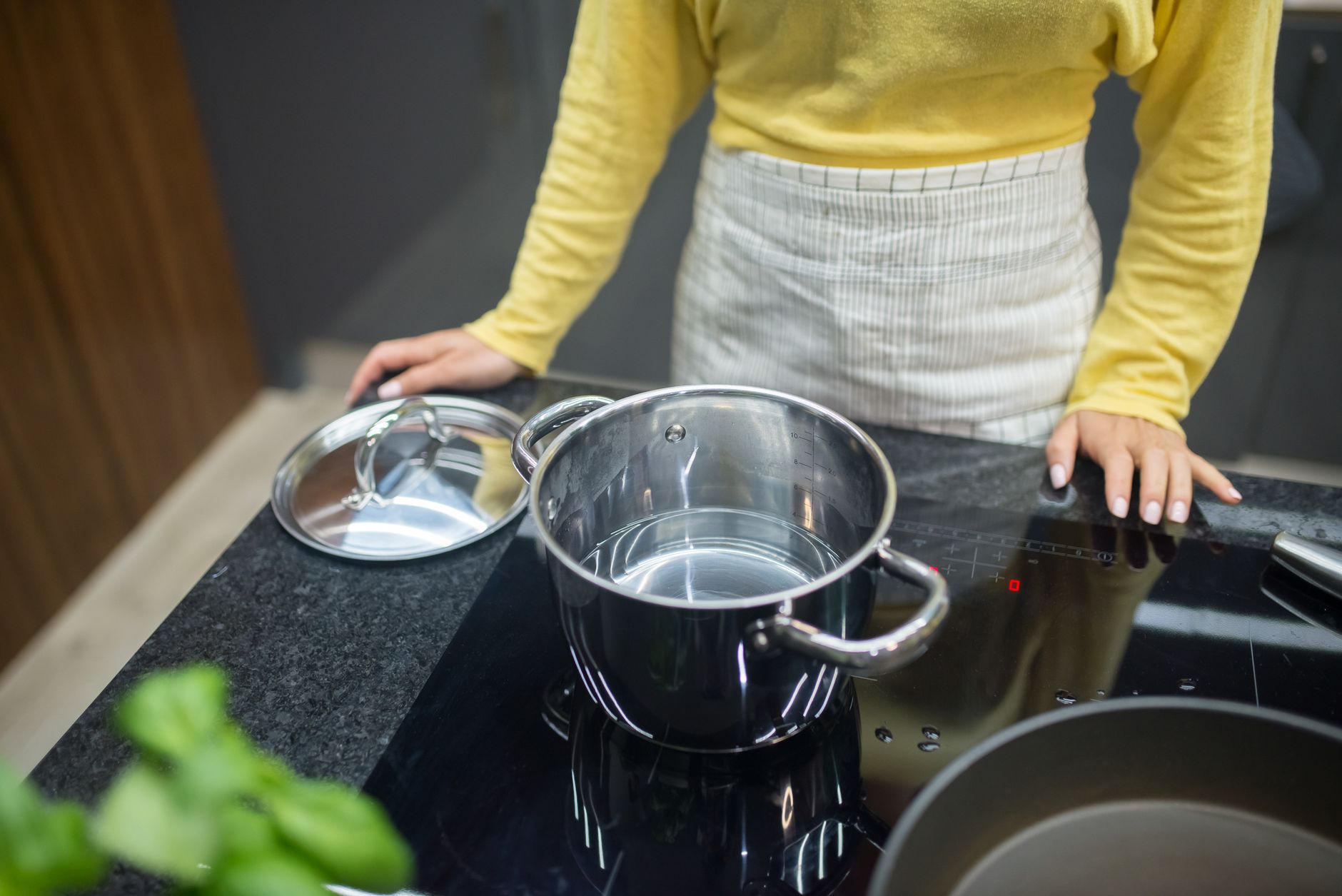
Stainless steel is the gold standard for non-toxic cooking. It is inert, meaning it does not react with food or leach chemicals. All-Clad D3 is a tri-ply construction with an aluminum core fully bonded between two layers of stainless steel. The aluminum never touches your food, so there is no risk of aluminum leaching. This pan is oven-safe up to 600 degrees Fahrenheit and broiler-safe. It is what professional kitchens use. There are no coatings to scratch, flake, or release fumes. For a full breakdown of why stainless steel is safe, see our best non-toxic cookware guide.
The downside is weight and price. A 10-inch skillet weighs about 3 pounds. The set can cost several hundred dollars. But it will last decades. You can use metal utensils without worry. You can scrub it with steel wool. It is induction compatible. The only maintenance is cleaning. Sometimes food sticks, but that is a technique issue, not a chemical one. You can preheat the pan properly and use enough oil. Check price on Amazon.
One note: stainless steel can develop a rainbow discoloration from high heat. This is cosmetic and harmless. It can also pit if you leave acidic foods in it for long periods. But overall, it is the most durable and safest option for everyday cooking. If you want a set that you can pass down, this is it.
Key strengths:
- ✅ Inert material with no chemical leaching
- ✅ Oven-safe to 600°F
- ✅ Durable, can last decades
- ✅ No coating to scratch or flake
- ✅ Induction compatible
- ❌ Expensive
- ❌ Heavy
- ❌ Food can stick without proper technique
Who it’s for: Home cooks who want a buy-it-for-life set with zero chemical risk and are willing to learn a little technique.
2. Ceramic-Coated Nonstick (GreenPan Valencia Pro) , Best PFAS-free nonstick alternative
GreenPan uses a ceramic coating called Thermolon. It is made from silicon and oxygen. It contains no PFAS, PFOA, PTFE, lead, or cadmium. The Valencia Pro line has a hard-anodized aluminum body. This gives it good heat distribution without the weight of stainless steel. The nonstick performance is decent for eggs, pancakes, and delicate fish. It is not as slick as traditional Teflon, but it is a safer alternative. For more on PFAS-free options, read our PFAS-free cookware guide.
The main drawback is durability. The ceramic coating will lose its nonstick properties over time. With daily use, expect 1 to 2 years before it starts sticking. You must use low to medium heat. High heat can degrade the coating and shorten its life. Hand washing is recommended to preserve the surface. Also, do not use metal utensils. Despite these limitations, it is a good transitional option for people who cannot give up nonstick. Check price on Amazon.
Some ceramic coatings may contain titanium dioxide nanoparticles. GreenPan states that its coating is free of nanoparticles. Always check the manufacturer’s claims. If you want a truly inert pan, stainless steel or cast iron is better. But if you need nonstick for certain foods, ceramic is the best PFAS-free choice.
Key strengths:
- ✅ PFAS-free and PTFE-free
- ✅ Good nonstick for eggs and delicate foods
- ✅ Lightweight compared to stainless steel
- ✅ Oven-safe to 450°F
- ✅ More affordable than high-end stainless steel
- ❌ Coating degrades in 1-2 years
- ❌ Not dishwasher safe
- ❌ Cannot use high heat
Who it’s for: People who want nonstick convenience without PFAS and are willing to replace pans every couple of years.
3. Cast Iron Skillet (Lodge) , Best budget-friendly, indestructible non-toxic pan
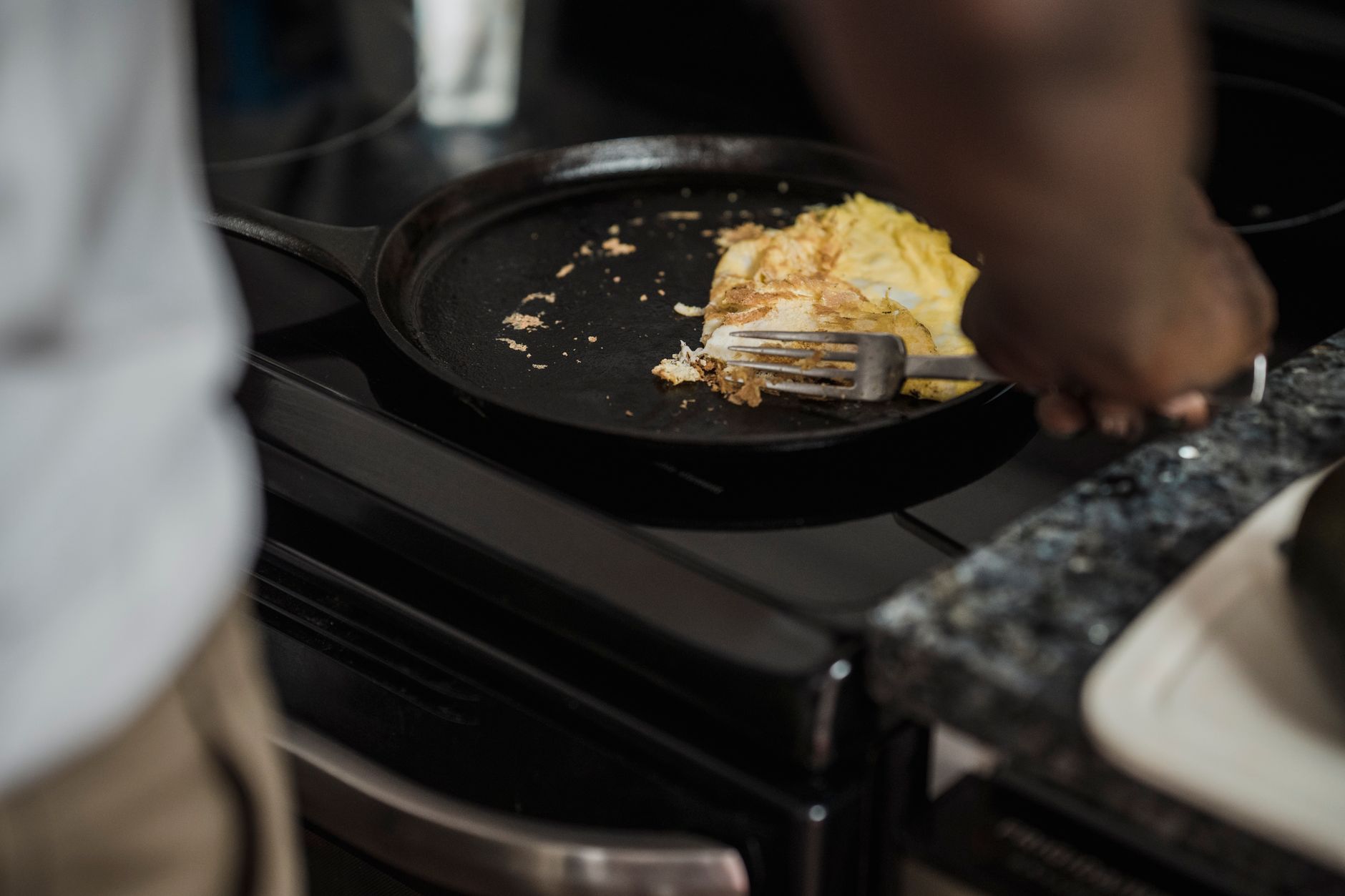
Cast iron is as simple as it gets. It is iron. Lodge comes pre-seasoned with vegetable oil. There are no chemicals, no coatings, and no PFAS. It is virtually indestructible. You can use it on the stove, in the oven, on a grill, or over a campfire. It leaches a small amount of iron into food, which can be beneficial for people with iron deficiency. However, if you have hemochromatosis, a condition that causes iron overload, you should avoid cast iron. For most people, it is a safe and healthy choice.
The downside is maintenance. You must dry it immediately after washing to prevent rust. You should oil it after each use. Acidic foods like tomato sauce can strip the seasoning if cooked for long periods. It is also heavy. A 12-inch skillet weighs about 8 pounds. But it is cheap. You can buy a Lodge skillet for less than most ceramic pans. It will last a lifetime. For more on reducing chemical exposure at home, see our guide to microplastics.
Seasoning is the key to a nonstick surface. The more you use it, the better it gets. You can clean it with hot water and a stiff brush. Some people use a little soap, but it is not necessary. Avoid soaking it. If it rusts, you can scrub it off and re-season. For a natural nonstick surface without chemicals, cast iron is unbeatable.
Key strengths:
- ✅ No chemical coatings
- ✅ Extremely durable
- ✅ Affordable
- ✅ Adds dietary iron
- ✅ Can be used on any heat source
- ❌ Heavy
- ❌ Requires seasoning and maintenance
- ❌ Reactive with acidic foods
Who it’s for: Budget-conscious cooks who do not mind a little maintenance for a pan that will outlive them.
4. Carbon Steel Pan (Matfer Bourgeat) , Best lightweight alternative to cast iron
Carbon steel is like cast iron but thinner and lighter. Matfer Bourgeat is a French brand that makes carbon steel pans used in professional kitchens. The pan is 99% iron and carbon. It seasons just like cast iron, developing a natural nonstick surface over time. It is responsive to heat changes, so you can adjust the temperature quickly. It can handle high heat. It is also inexpensive. A 10-inch pan costs less than a mid-range nonstick pan.
The catch is that it requires seasoning. It does not come nonstick out of the box. You have to build up the seasoning with oil and heat. It can rust if not dried properly. It reacts with acidic foods. It is not dishwasher safe. But for searing, sautéing, and frying, it is excellent. It is lighter than cast iron, so it is easier to handle. If you want cast iron performance without the weight, carbon steel is the answer. For more on PFAS in cookware, read our detailed guide.
One thing to note: carbon steel pans can warp if you heat them too quickly or cool them too fast. Always preheat gradually. Also, the handle can get hot in the oven. Use a towel or pot holder. With proper care, a carbon steel pan can last for decades.
Key strengths:
- ✅ Lightweight compared to cast iron
- ✅ Excellent heat control
- ✅ No chemical coatings
- ✅ Durable
- ✅ Affordable
- ❌ Requires seasoning
- ❌ Can rust
- ❌ Reactive with acidic foods
Who it’s for: Cooks who want cast iron performance without the weight and are willing to season their pan.
5. Enameled Cast Iron Dutch Oven (Le Creuset) , Best for acidic dishes and slow cooking
Enameled cast iron has a glass-based enamel coating fused to cast iron. The enamel is inert and does not react with food. Le Creuset is the gold standard. It is heavy, but it retains heat beautifully. The enamel coating is free of PFAS, PFOA, and heavy metals. However, cheaper enameled cast iron from unknown brands may contain lead or cadmium in the enamel. The FDA has limits for lead in ceramicware, but enforcement is spotty for imports. Always buy from a trusted brand. For a list of safe brands, see our best non-toxic cookware guide.
The downside is cost and weight. A Le Creuset Dutch oven can cost several hundred dollars. It weighs about 12 pounds. The enamel can chip if dropped or overheated. You cannot use metal utensils. You should not use it for high-heat searing. But for stews, soups, braises, and baking bread, it is unmatched. It is also easy to clean.
If you want a non-reactive pot for acidic dishes like tomato sauce, enameled cast iron is a great choice. It is safer than bare cast iron for those recipes. It is also more forgiving than stainless steel for slow cooking. Just be careful with the enamel. Do not preheat it empty. Do not use high heat. With proper care, it can last a lifetime.
Key strengths:
- ✅ Non-reactive enamel coating
- ✅ Excellent heat retention
- ✅ Great for acidic foods
- ✅ Oven-safe
- ✅ Durable if cared for
- ❌ Very heavy
- ❌ Expensive
- ❌ Enamel can chip
Who it’s for: Home cooks who make stews, soups, and braises and want a safe, non-reactive pot that will last for years.
Frequently Asked Questions
What is the safest cookware material?
Stainless steel, cast iron, carbon steel, and enameled cast iron are among the safest because they do not use PFAS coatings. Ceramic-coated pans that are PFAS-free are also a good option.
Is ceramic cookware really non-toxic?
Ceramic-coated cookware can be non-toxic if it is free of PFAS, PFOA, lead, and cadmium. However, some cheap ceramic glazes may contain heavy metals. Look for brands that provide third-party testing.
How often should I replace nonstick pans?
Replace nonstick pans as soon as the coating shows scratches, flaking, or peeling. Even PFAS-free ceramic coatings degrade over time, usually within 1 to 2 years with regular use.
Can cast iron leach iron into food?
Yes, cast iron can leach small amounts of iron into food, especially when cooking acidic foods. This is generally safe for most people, but those with hemochromatosis should avoid cast iron.
What temperature releases PFAS from nonstick pans?
Nonstick pans coated with PTFE can release PFAS fumes when heated above 500 degrees Fahrenheit (260 degrees Celsius). This is why you should never preheat a nonstick pan on high heat.
Are expensive brands like All-Clad and Le Creuset worth it?
They are investments that can last decades. If you want cookware that is free of chemicals and built to last, the upfront cost may be worth it. Cheaper options like Lodge cast iron also perform well.
What Should You Remember?
- Avoid PFAS coatings: Nonstick pans with PTFE or PFOA can release toxic fumes when overheated.
- Choose inert materials: Stainless steel, cast iron, carbon steel, and glass do not leach chemicals.
- Check ceramic coatings: PFAS-free ceramic is a good nonstick alternative, but it wears out faster.
- Watch for heavy metals: Cheap ceramic glazes may contain lead or cadmium. Buy from trusted brands.
- Season your pans: Cast iron and carbon steel develop a natural nonstick surface without chemicals.
- Replace scratched pans: Any scratched nonstick coating can flake into food. Replace immediately.
- Use low to medium heat: High heat can degrade any coating and release fumes.
This article is for general information only and is not medical, legal, or regulatory advice. Chemical-safety claims and product choices should be verified against current scientific research and the guidance of relevant agencies (EPA, FDA, EWG, CDC). Always follow manufacturer instructions and consult a qualified professional for health or exposure concerns.