Best Non-Toxic Laundry Detergents 2026: EWG-Verified Picks

Best Non-Toxic Laundry Detergents 2026: EWG-Verified Picks

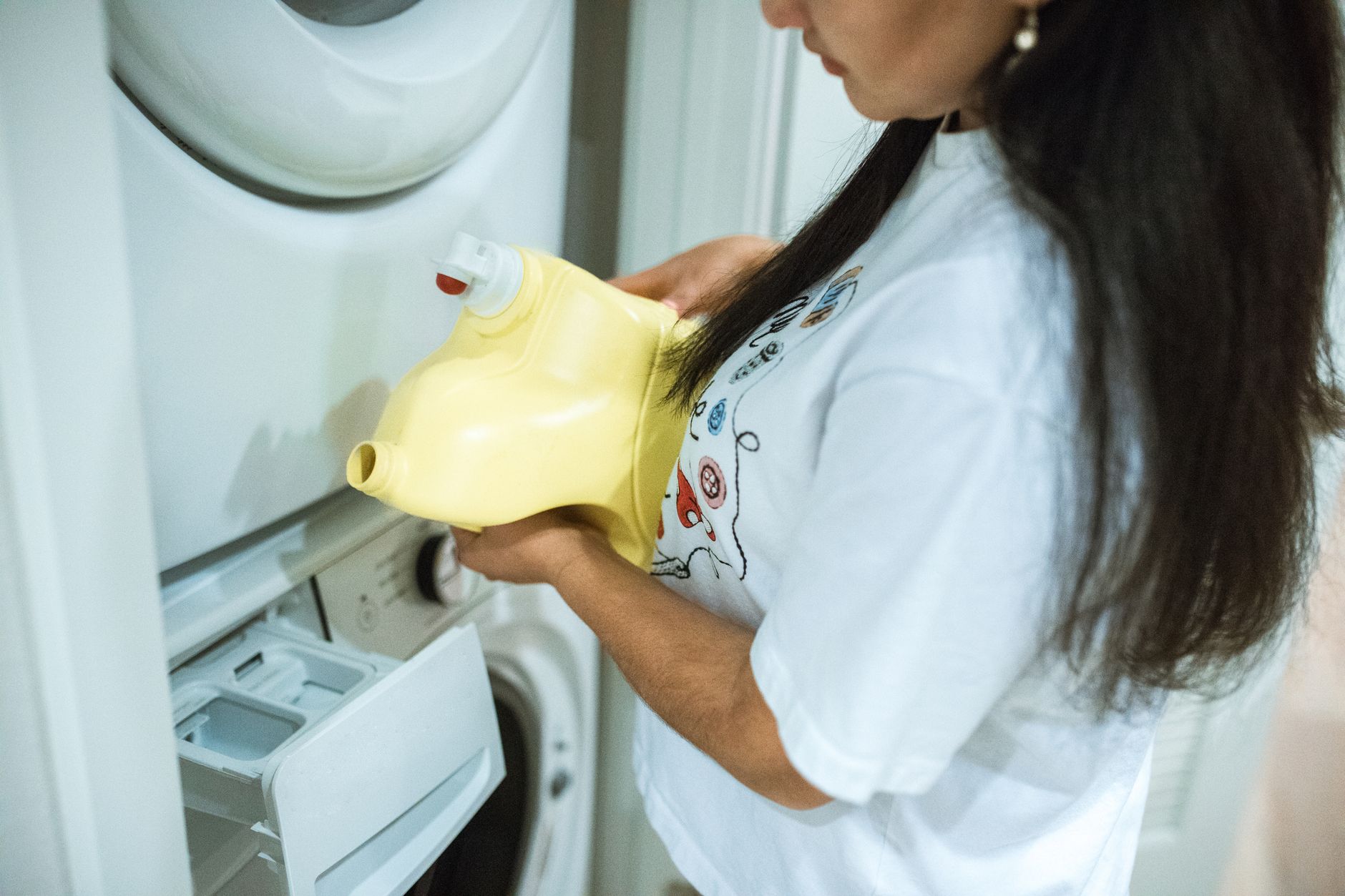
Quick Answer: Choose EWG-Verified laundry detergents that disclose every ingredient and skip fragrance. Top picks include Meliora Laundry Powder, Attitude Fragrance-Free Liquid, and AspenClean Unscented. These avoid phthalates, VOCs, and undisclosed fragrance blends while still removing stains. Check the comparison table for cost per load and packaging trade-offs. Most conventional laundry detergents are not just soap. They can carry synthetic fragrance, preservatives, optical brighteners, and solvent residues that end up on clothes, towels, and bedding. The concern is not only skin contact. It is the long term exposure to chemicals that are not fully disclosed. The CDC’s national biomonitoring program has detected phthalate metabolites in over 90 percent of the US population tested. Since fragrance mixtures often contain phthalates to make scent last, skipping fragrance is one of the easiest ways to lower your daily chemical load. But a bottle that says free and clear is not automatically safer. That is why we focus on detergent brands that submit to a stricter standard. ...
August 16, 2026 · 11 min · Jarrod Gravison
Best Non-Toxic Food Storage 2026: Glass, Stainless, and BPA-Free Options

Best Non-Toxic Food Storage 2026: Glass, Stainless, and BPA-Free Options

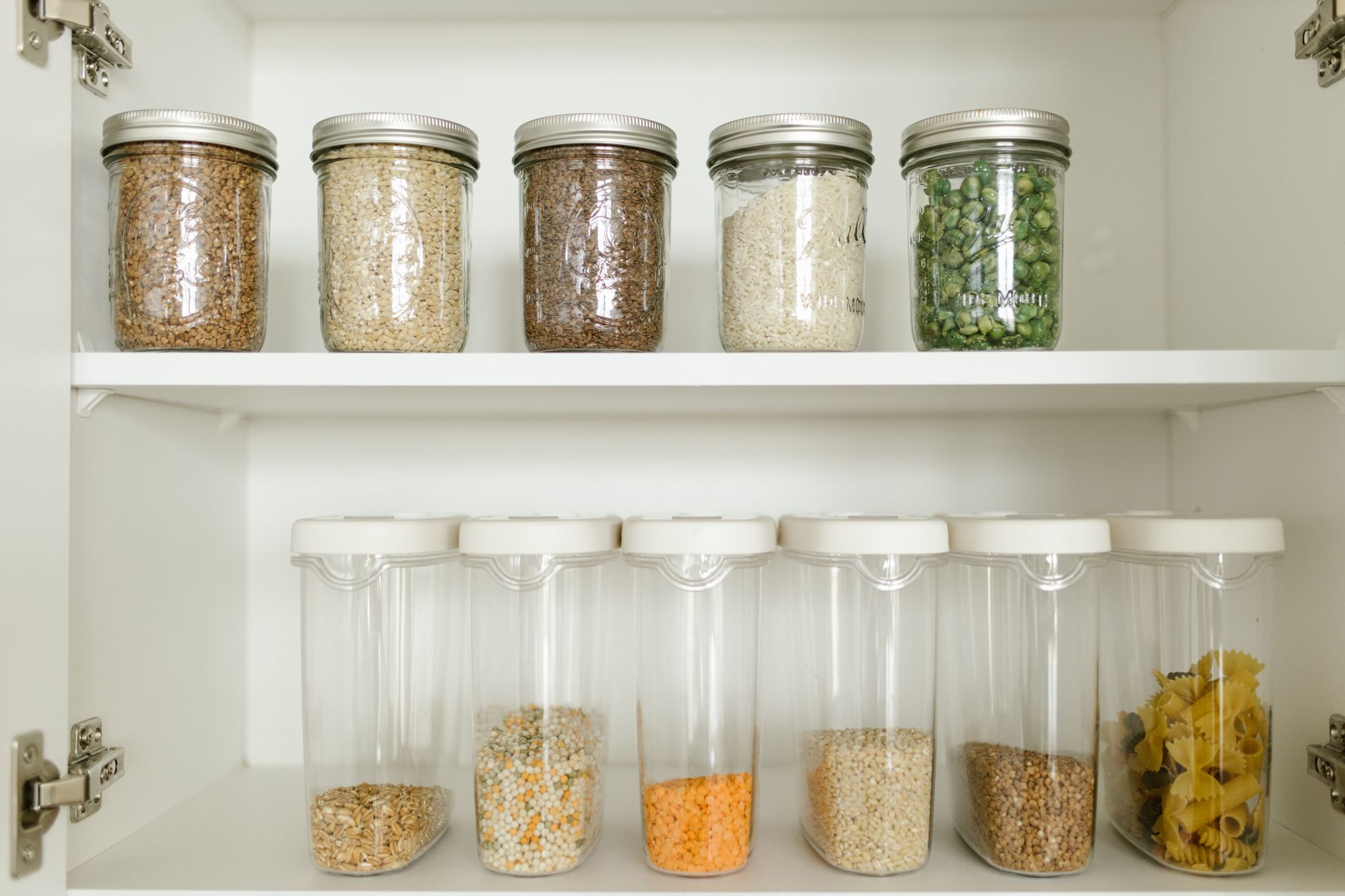
Quick Answer: Glass and stainless steel containers are the safest picks. Choose platinum silicone for reusable bags. Avoid plastic unless it is third-party tested and truly free of bisphenols and phthalates. Remove plastic lids before heating. Check for FDA food-contact compliance and look for EU LFGB or similar test results. Food storage often gets less scrutiny than cookware, but it touches every meal. Plastics can leach BPA, phthalates, and other additives into leftovers, especially when heated or stained with acidic sauces. The EPA now enforces a drinking water limit of 4.0 parts per trillion for PFOA and PFOS, but food containers are not regulated the same way. That gap puts more responsibility on shoppers. We focused on materials with the fewest known leachables for 2026. If you want to cut PFAS exposure from water too, see our PFAS in drinking water guide. ...

August 16, 2026 · 10 min · Jarrod Gravison
Best Non-Toxic Cookware 2026: PFAS-Free Pans Ranked

Best Non-Toxic Cookware 2026: PFAS-Free Pans Ranked

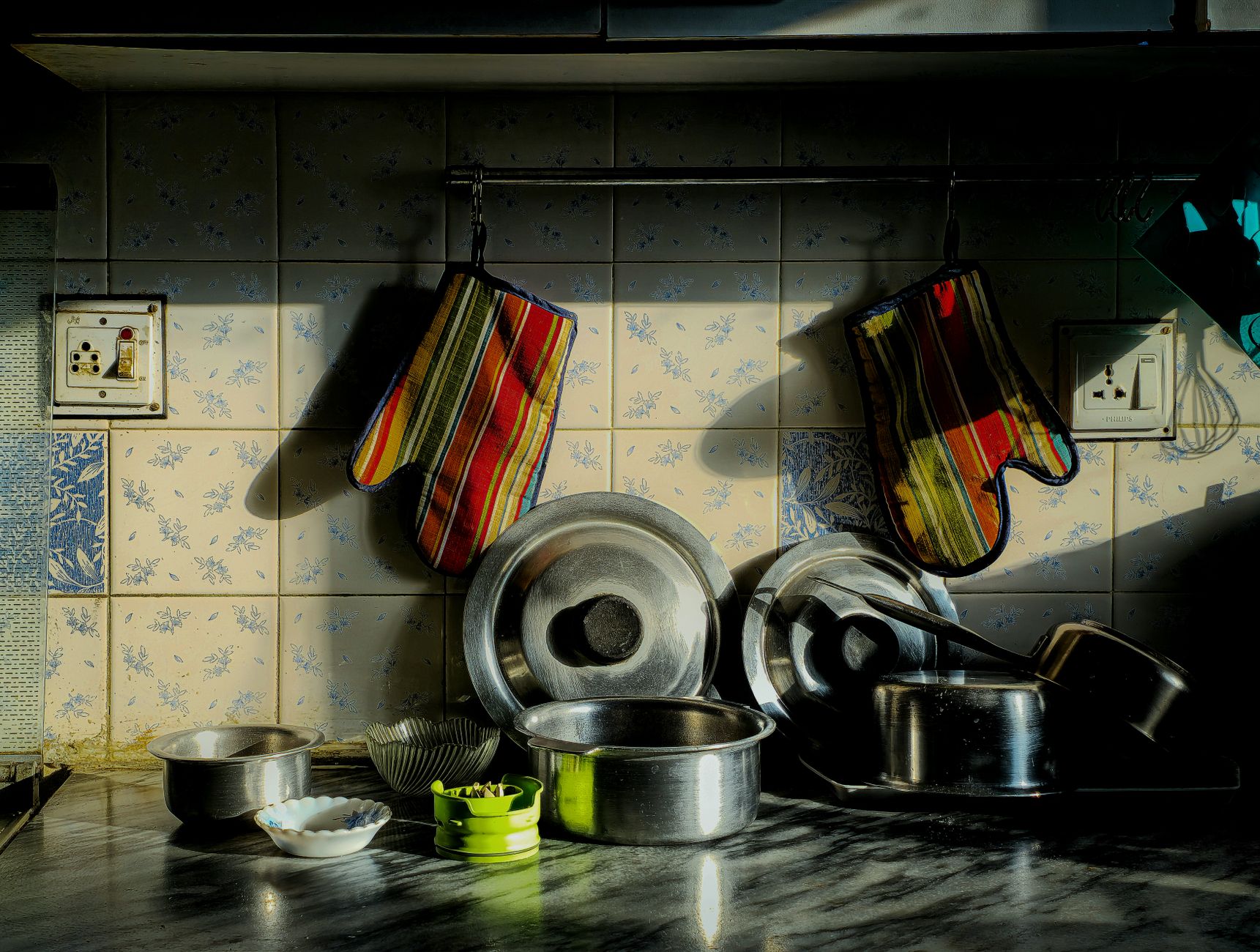
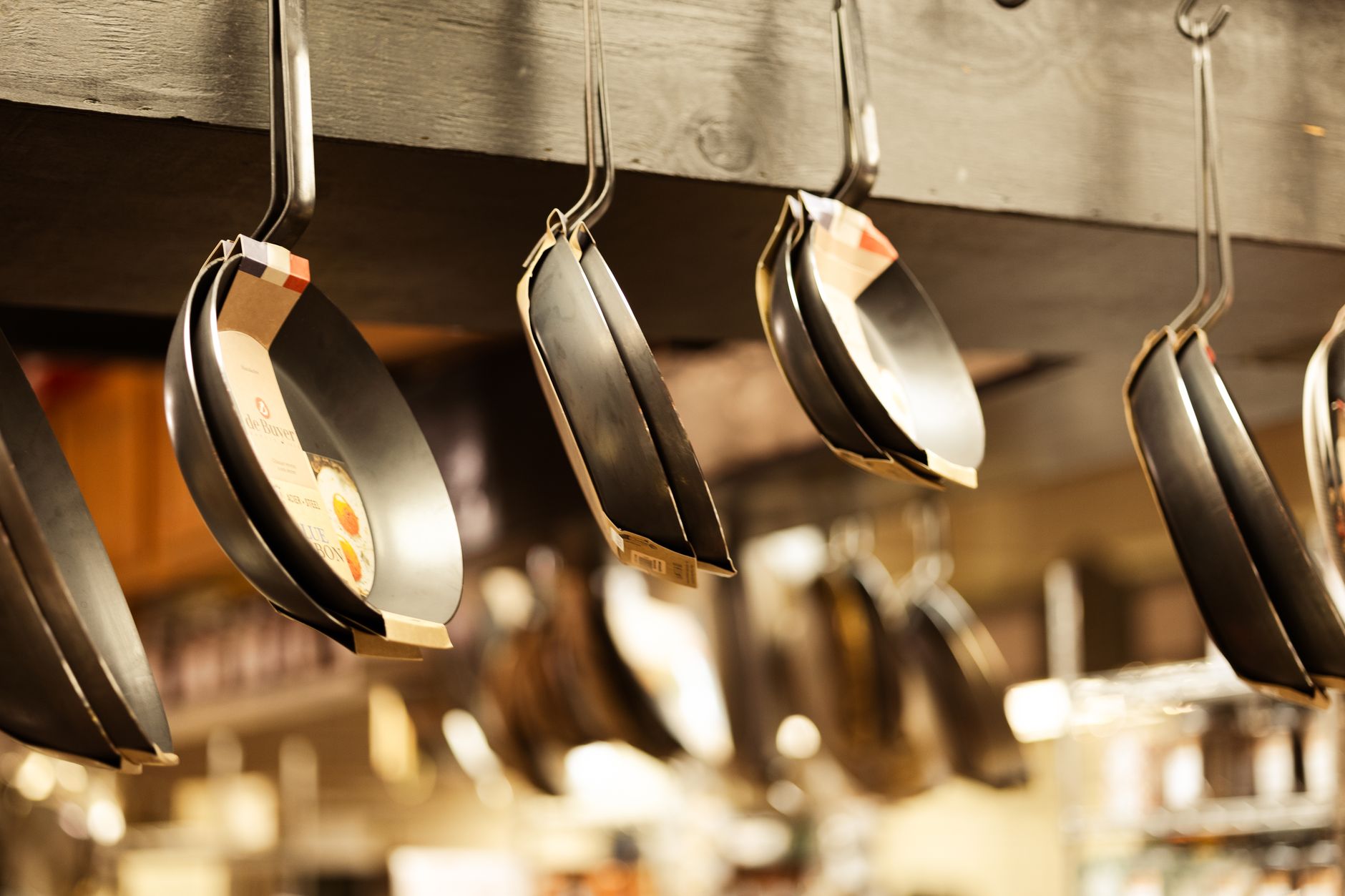
Quick Answer: The safest 2026 cookware avoids PFAS, PFOA, and PTFE. Our top pick is GreenPan Reserve for ceramic nonstick, Made In stainless for durability, and Lodge cast iron for budget. All picks are free of forever chemicals, and many avoid BPA, phthalates, and VOCs in coatings. Cookware labels can lie. A pan stamped ‘PFOA-free’ may still contain PTFE, the fluoropolymer used in Teflon. The CDC’s national biomonitoring program has detected PFAS compounds in the blood of 97 percent of Americans. These chemicals do not break down easily. In 2024, the EPA finalized enforceable drinking water limits of 4 parts per trillion for PFOA and PFOS, a sign that regulators finally treat low-level PFAS exposure as a health risk. Your frying pan is not the only source, but it can be an avoidable one. Before buying any nonstick pan, read our PFAS in cookware guide. ...

August 16, 2026 · 11 min · Jarrod Gravison
Best Air Purifiers for VOCs and Formaldehyde 2026

Best Air Purifiers for VOCs and Formaldehyde 2026

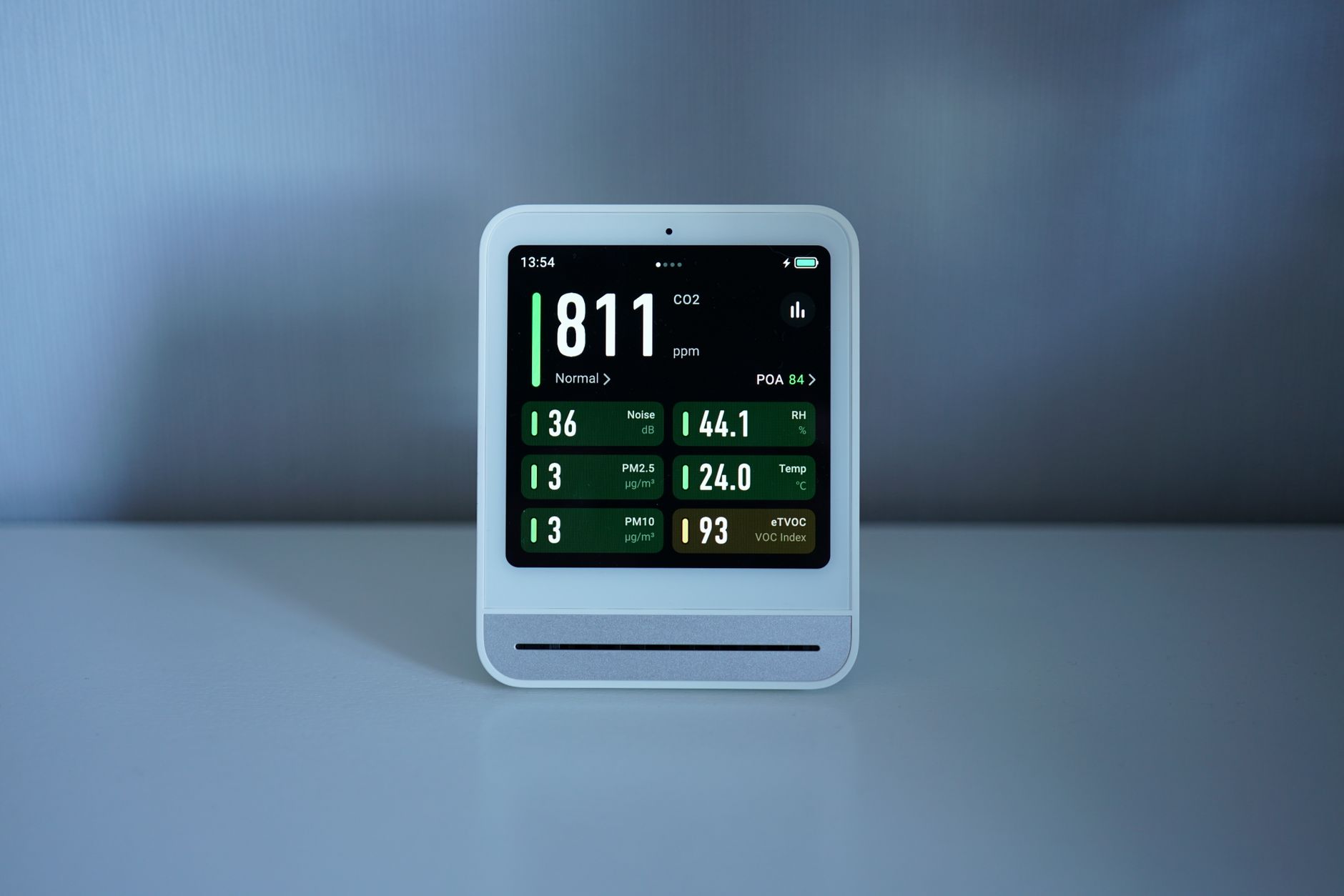
Quick Answer: The best air purifiers for VOCs and formaldehyde use deep activated carbon or carbon-zeolite media, not just HEPA. Top picks include the IQAir HealthPro Plus, Austin Air HealthMate Plus, and Airpura C600. Source control and ventilation come first, but high carbon bed mass matters most for chemical gases. Formaldehyde and other volatile organic compounds are the reason a new mattress, cabinet, or paint job can make indoor air feel sharp. The Centers for Disease Control and Prevention warns that formaldehyde can irritate the eyes, nose, and throat, and sensitive people may notice symptoms at levels below 0.1 parts per million. That is not a rare problem. Indoor air testing in newer homes often finds bedrooms that exceed California’s chronic reference exposure level for formaldehyde of 9 micrograms per cubic meter, roughly 7 parts per billion. Source control is the first step, but a well designed purifier with deep activated carbon can be a useful second layer. Check our guide to non-toxic cleaning products before masking the problem with a machine. ...

August 16, 2026 · 11 min · Jarrod Gravison
PFAS in Cookware: What the Science Actually Says

PFAS in Cookware: What the Science Actually Says

Quick Answer: PFAS are synthetic chemicals used in some nonstick coatings. They can migrate into food when pans overheat, scratch, or degrade. Health agencies link long-term exposure to immune and liver effects. Choose explicitly PFAS-free cookware and avoid damaged nonstick pans to reduce your total exposure. Nonstick pans feel like an everyday shortcut. Eggs slide, oil use drops, and cleanup takes seconds. But that convenience has a chemical backstory. Some nonstick coatings belong to a family called per- and polyfluoroalkyl substances, or PFAS. These compounds resist heat, oil, and water, which makes them useful in kitchens and factories. The Environmental Protection Agency describes PFAS as widely used, long lasting chemicals that build up in people and the environment. For home cooks, the central issue is not that all cookware is dangerous. The issue is understanding what actually moves from the coating to your food and at what dose. Science gives us a clearer picture than headlines often suggest. ...

August 16, 2026 · 12 min · Jarrod Gravison